
Aji Dulce
Vegetable
Also known as: English: Sweet Pepper, Aji Dulce. Spanish: Ají dulce, Ají cachucha. French: Piment doux. Portuguese: Pimenta-de-cheiro.
About this crop
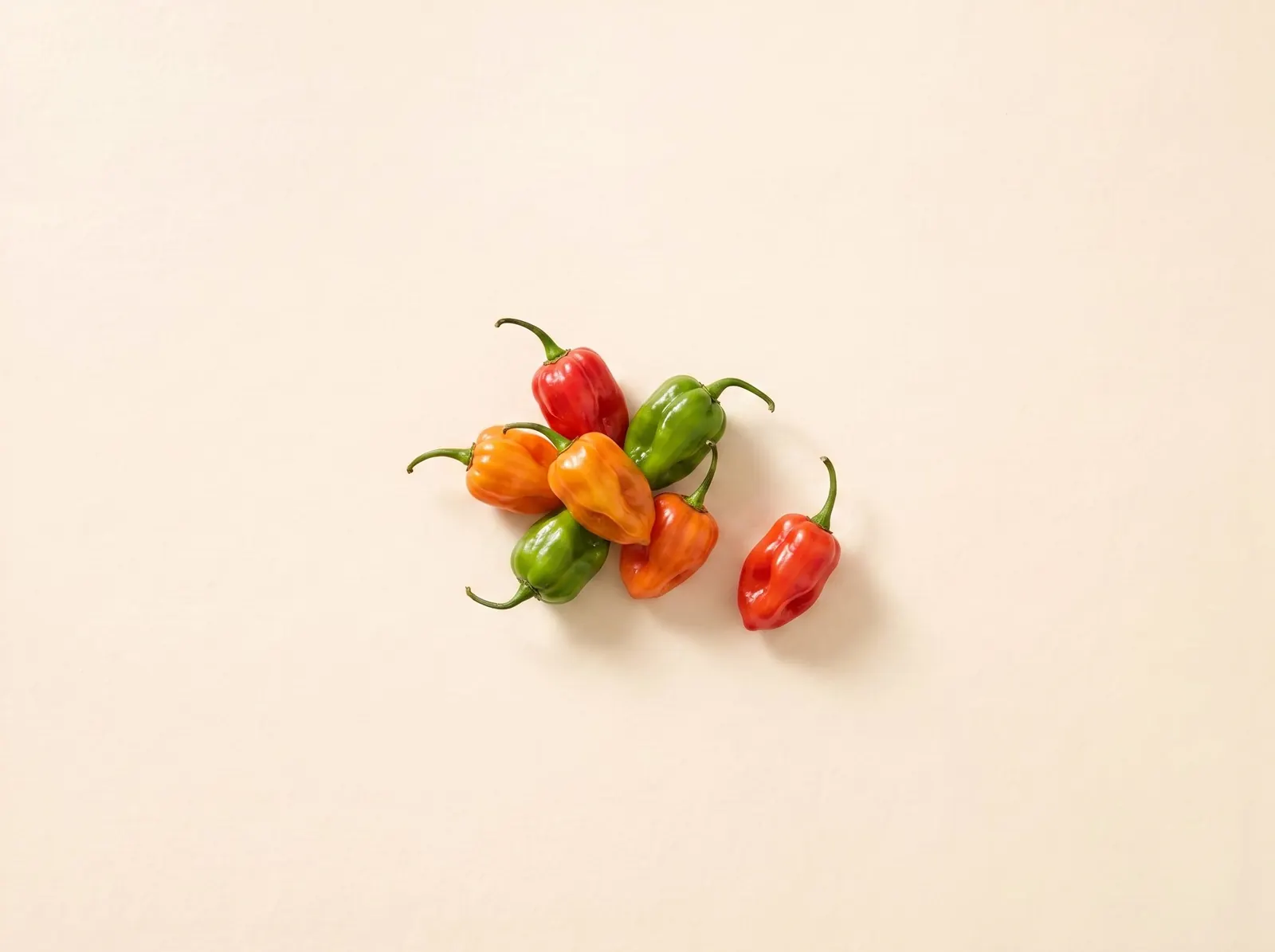
Aji dulce is a small, wrinkled pepper that looks almost identical to the fiery habanero or Scotch bonnet, ripening from pale green to brilliant red, orange, or yellow. However, its appearance is a trick: aji dulce contains all the complex, fruity, floral aroma of a habanero with absolutely none of the heat. It is the secret to achieving deep Caribbean flavor without the fire.
Health information for this food is under review. Reviewed claims will include their sources and limits.
Traditional uses
In Puerto Rican, Dominican, and Venezuelan kitchens, aji dulce is the irreplaceable heart of the cuisine. It is a mandatory ingredient in authentic sofrito, providing a sweet, smoky, and floral depth that cannot be replicated by standard bell peppers. It is used to flavor everything from slow-cooked beans to roasted pork, offering the essence of the Caribbean without overwhelming the palate.
While the Jamaican and West African traditions lean heavily on the intense heat of the Scotch bonnet (the aji dulce's fiery twin), the Spanish-speaking Caribbean relies on this gentle pepper to build complex, layered flavors. The two peppers share the exact same botanical lineage and aromatic profile, diverging only in their capsaicin content.
This gentle pepper bridges the fiery traditions of the broader diaspora with the savory, herbaceous traditions of the Spanish Caribbean. It allows the complex, fruity flavors of the Capsicum chinense family to be enjoyed by everyone, connecting the diverse pepper traditions of Rhode Island's immigrant communities.
How to prepare
Aji dulce is almost always used as an aromatic base rather than eaten whole. Wash the peppers, slice off the stems, and remove the seeds if desired, though the seeds are not spicy.
To make a traditional sofrito, blend a handful of aji dulce peppers with culantro, garlic, onions, and a little oil until it forms a coarse paste. Use a few spoonfuls of this paste as the starting point for cooking rice, beans, or stews.
If you cannot find enough aji dulce to make a full batch of sofrito, you can simply finely mince one or two peppers and sauté them with onions and garlic at the beginning of any savory recipe to infuse the dish with their unique, floral aroma.
Recipe ideas
Share how you use Aji Dulce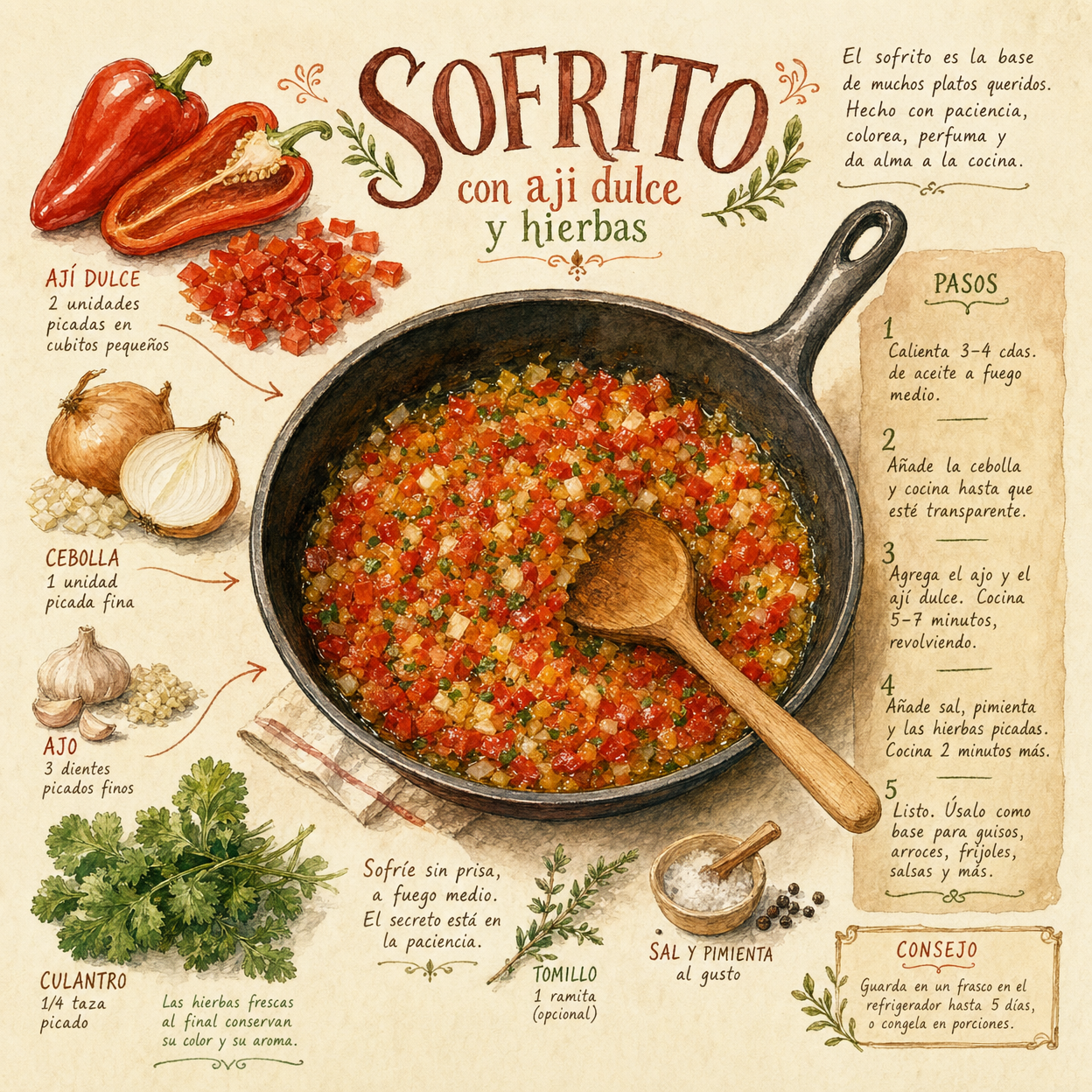
Authentic Sofrito (Puerto Rican/Dominican): A blended base of aji dulce, culantro, garlic, and onions.
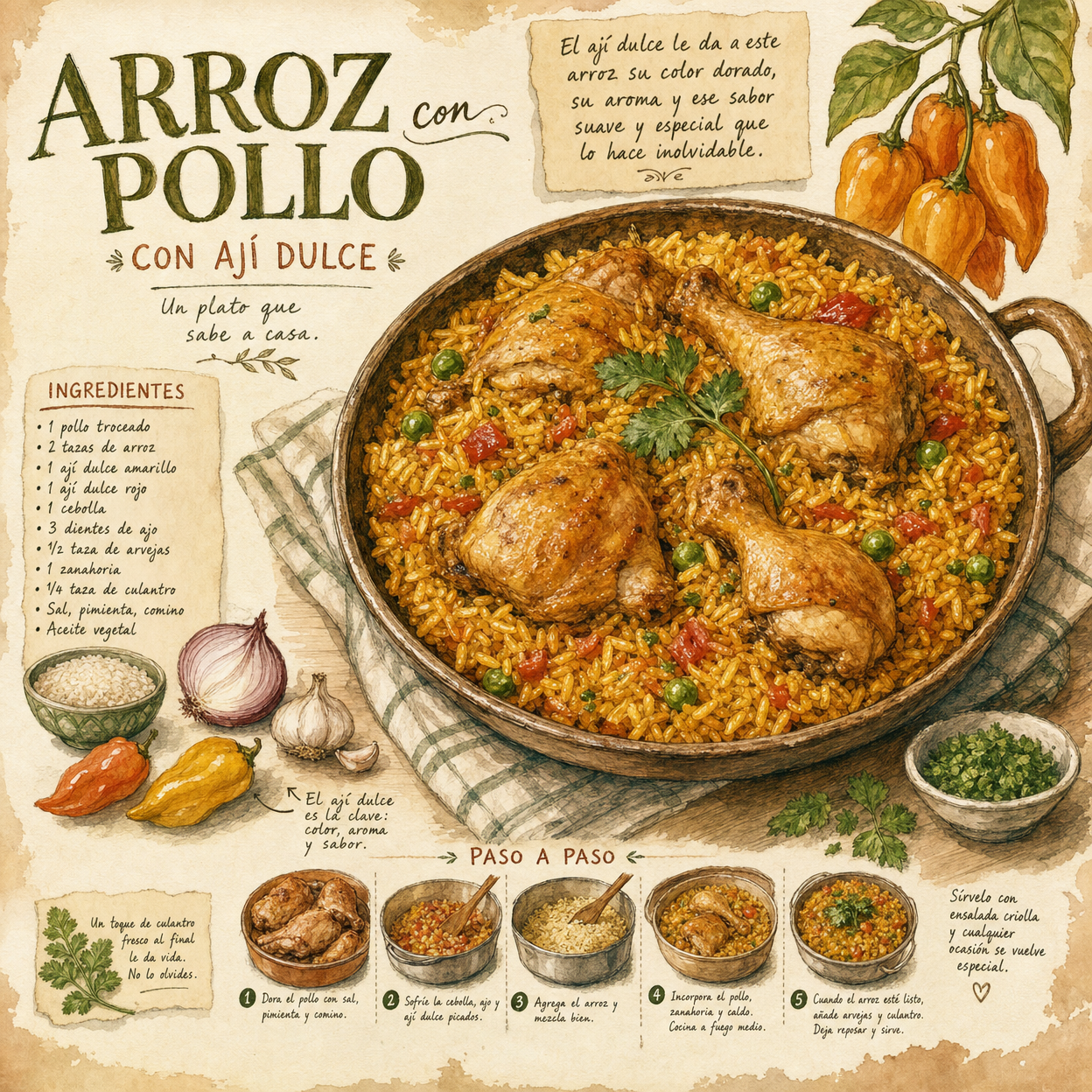
Caraotas Negras (Venezuelan Black Beans): Slow-simmered black beans flavored with aji dulce, cumin, and garlic.
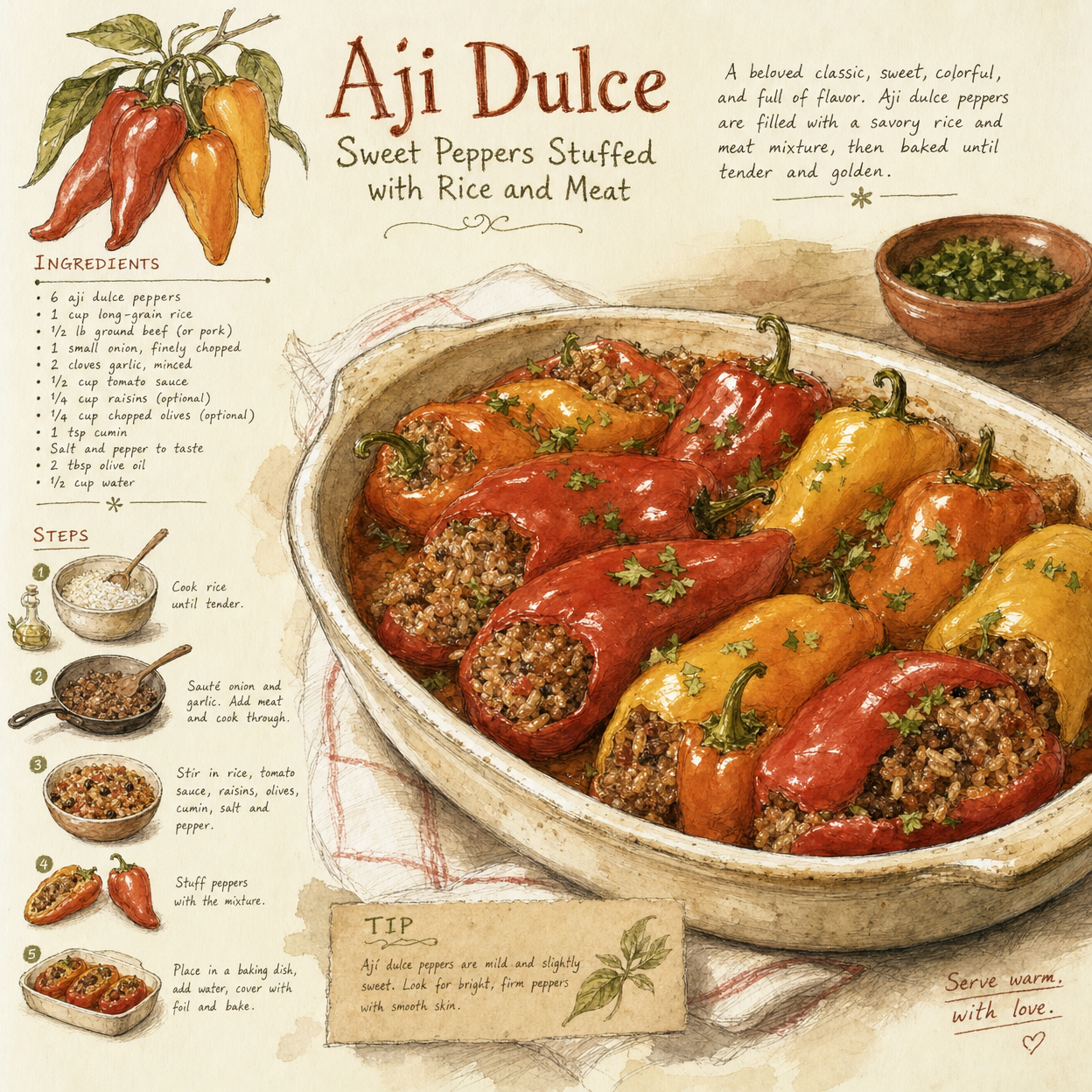
Pollo Guisado (Caribbean Stewed Chicken): Chicken braised in a rich tomato sauce heavily perfumed with aji dulce and oregano.