
Amaranth Greens
Leafy Green
Also known as: English: Amaranth Greens, Chinese Spinach, African Spinach. Yoruba: Efo Tete. Igbo: Inine. Hindi: Chaulai. Chinese (Mandarin): Xiàncài. Tagalog: Kulitis. Swahili: Mchicha.
About this crop
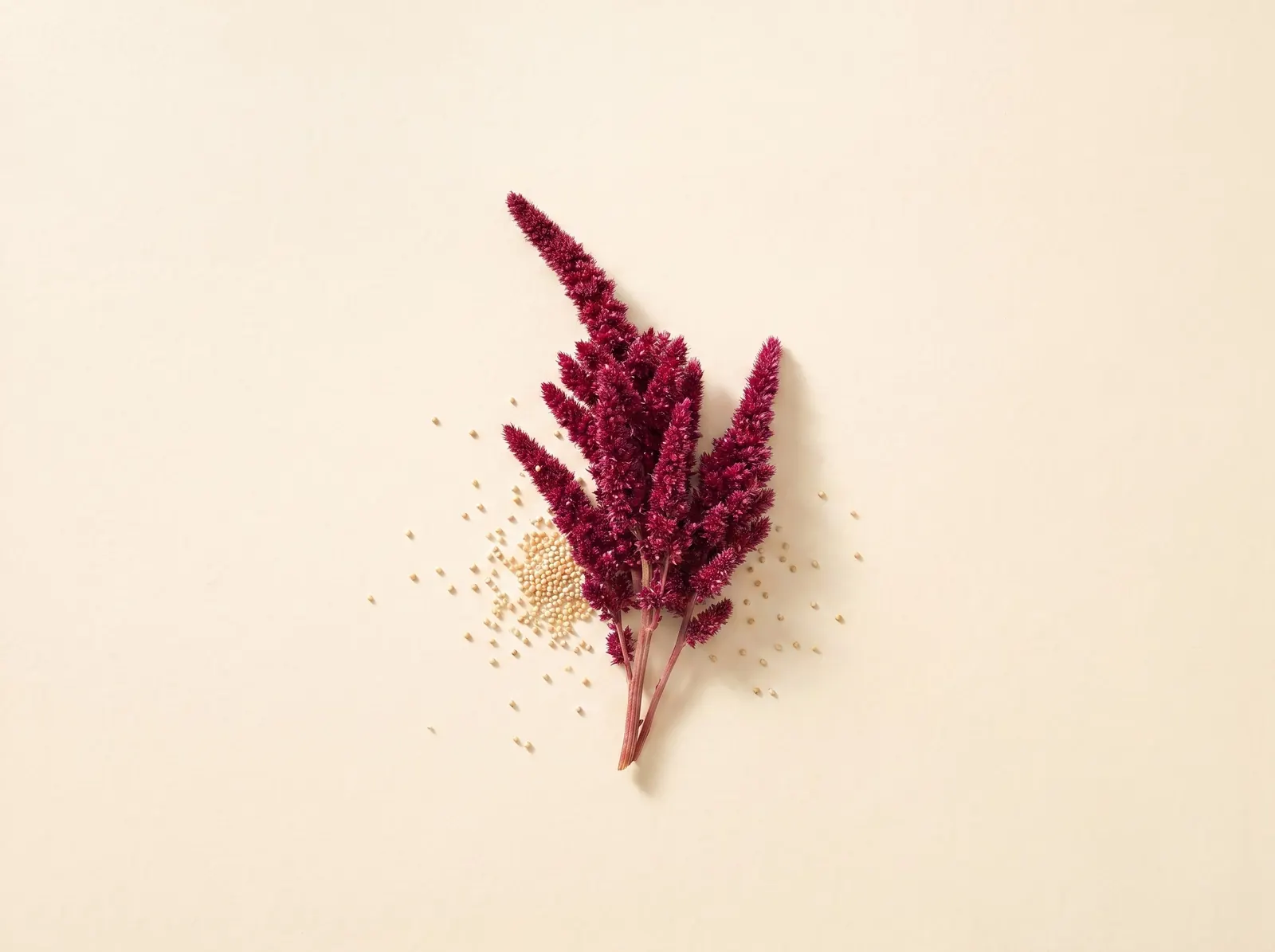
Amaranth greens are the leafy tops of the amaranth plant, a relative of the grain amaranth, with broad green or red-tinged leaves. They are fast-growing and widely cultivated across West Africa, the Caribbean, South Asia, and East Asia as a daily leafy green. Closely related to the callaloo of Caribbean cooking, amaranth greens are a global staple.
Traditional uses
In Yoruba and Igbo households, Efo Tete is a foundational dish, made with peppers, palm oil, and ground crayfish. In South Asia, chaulai is gathered from gardens and roadsides as a free, abundant green. In East African cooking, mchicha is the universal everyday leafy vegetable. The closely related amaranth grain has been cultivated by Indigenous peoples of the Americas for over five thousand years. The plant connects nearly every continent through its leaves and seeds, marking it as one of humanity's most resilient and culturally significant crops.
How to prepare
Wash thoroughly and remove any tough stems. For a Yoruba Efo Tete, cook with peppers, onion, palm oil, and crayfish. For an Indian preparation, sauté with mustard seeds, garlic, and turmeric. The leaves wilt quickly like spinach and should be added near the end of cooking. They can also be steamed or added to soups and stews in the final minutes.
Recipe ideas
Share how you use Amaranth GreensYoruba Efo Tete (amaranth stew with peppers and palm oil). Indian Chaulai Saag with mustard seeds and garlic. Caribbean Callaloo (amaranth-based variant). Filipino Sautéed Kulitis with garlic.