
Banana
Fruit
Also known as: English: Banana. Spanish: Plátano, Banana. French: Banane. Portuguese: Banana. Swahili: Ndizi. Hindi: Kela. Tagalog: Saging.
About this crop
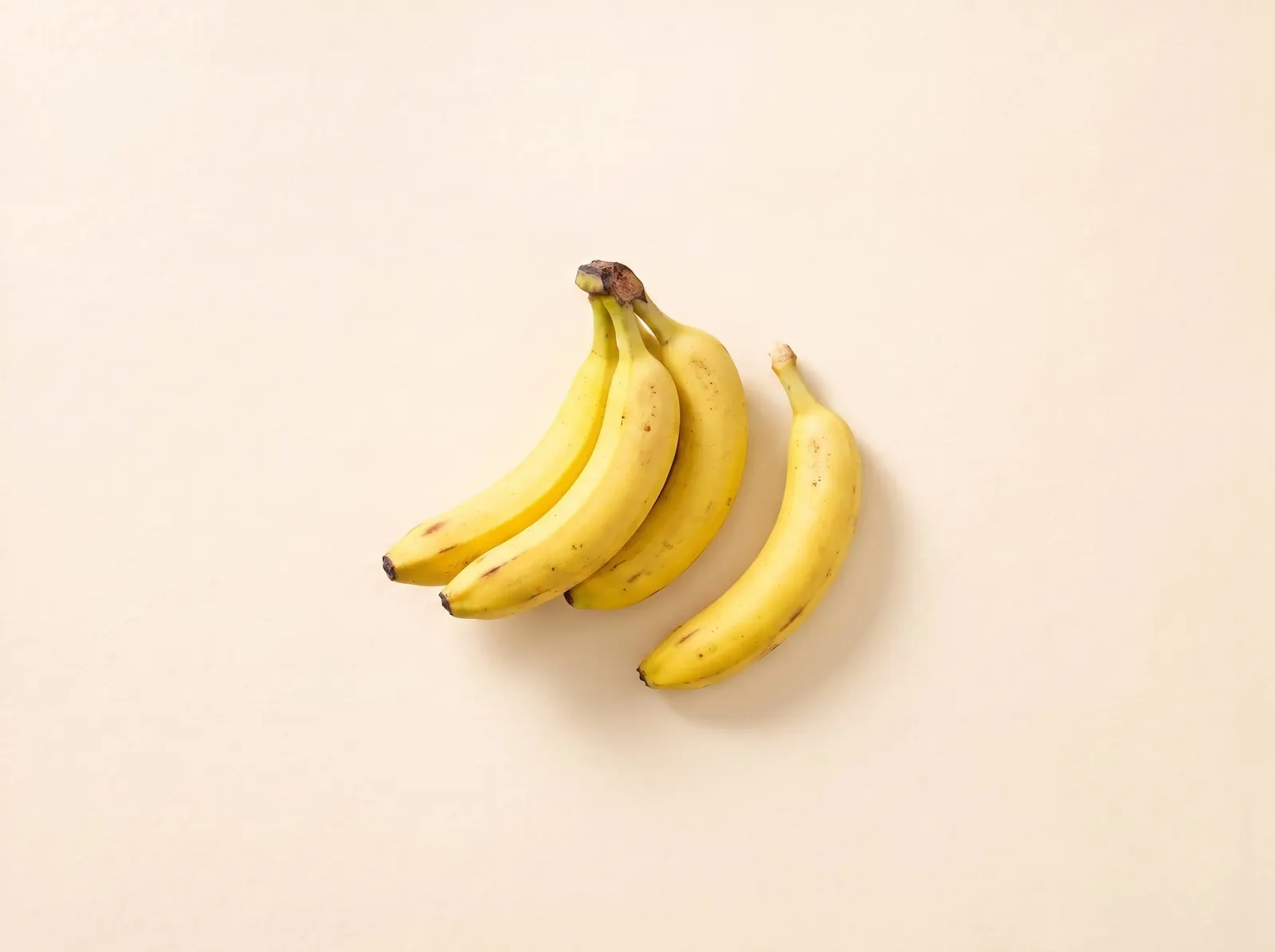
Banana is the sweet, ripe form of the fruit that grows on the banana tree, eaten fresh as a snack or used in baked goods, smoothies, and desserts. Distinct from its starchy cousins the plantain and green banana, the dessert banana has soft, sweet flesh that transitions from firm and yellow to soft and brown-spotted as it ripens. It is one of the most consumed fruits worldwide.
Health information for this food is under review. Reviewed claims will include their sources and limits.
Traditional uses
While dessert bananas are imported staples in temperate North American kitchens, their ancestral home spans Southeast Asia, East and West Africa, and the Caribbean, where dozens of varieties exist beyond the supermarket Cavendish. In African and Caribbean traditions, ripe bananas appear in fritters, breads, and porridges. In the American South, banana pudding became a beloved comfort dessert. The fruit's distinction from its starchy relatives the plantain and green banana matters: dessert bananas are eaten ripe and sweet, while plantains and green bananas are cooked as savory staples.
How to prepare
Bananas are typically eaten raw, peeled directly from the skin. For baking, use overripe bananas with brown spots, which are sweetest and easiest to mash. Slice into yogurt, oatmeal, or smoothies. For a Caribbean preparation, mash ripe banana with brown sugar and rum for a quick dessert. Frozen banana chunks blend into dairy-free ice cream alternatives.
Recipe ideas
Share how you use BananaBanana Bread (American/diaspora classic). Caribbean Banana Fritters with cinnamon. Filipino Turon (banana spring rolls). Banana Smoothie with peanut butter and milk.