
Beans
Legume
Also known as: English: Beans (general category includes Black Beans, Pinto Beans, Kidney Beans, Navy Beans, Great Northern, Cannellini, etc.). Spanish: Frijoles, Habichuelas. French: Haricots. Portuguese: Feijão. Swahili: Maharagwe.
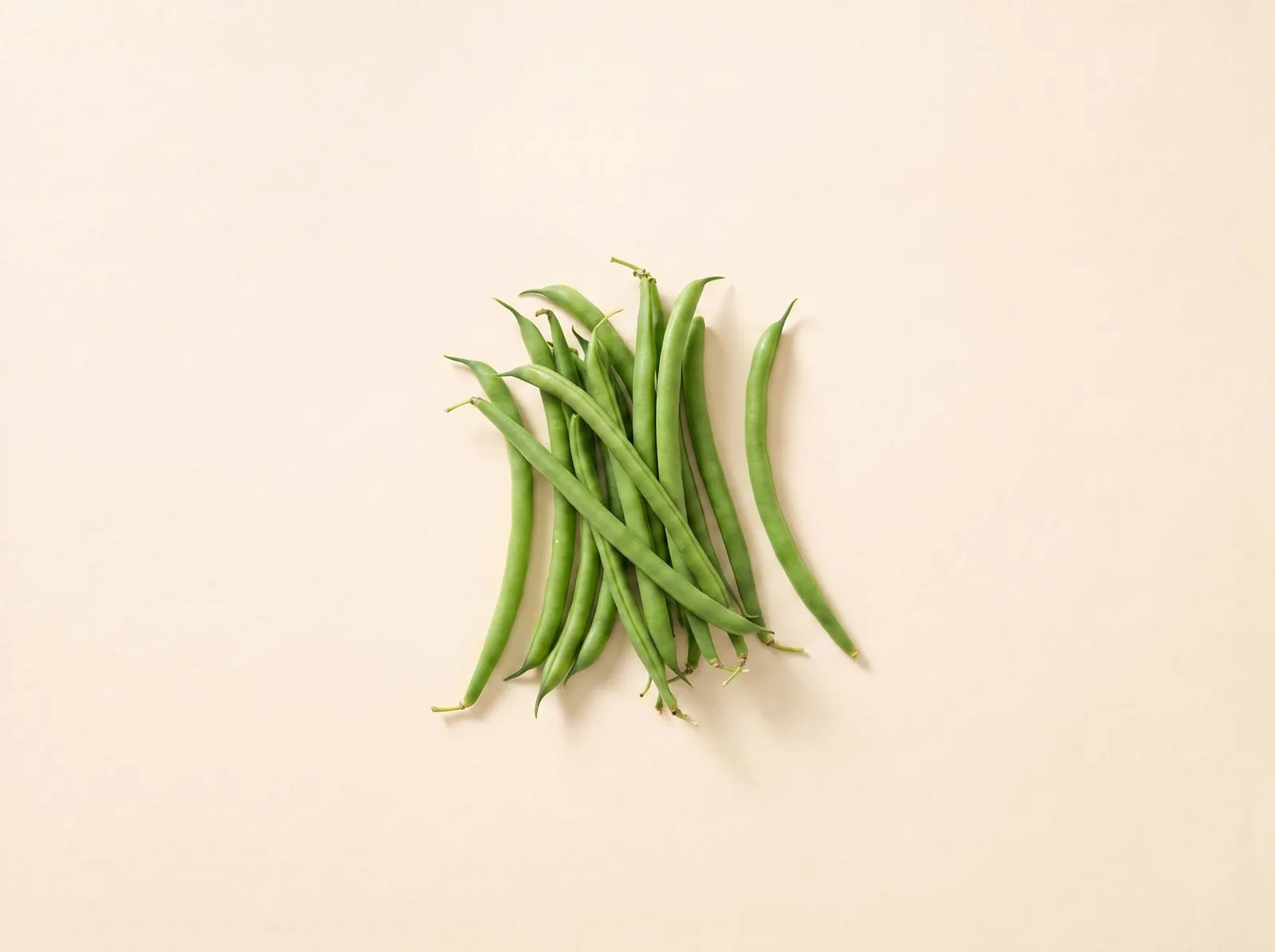
About this crop
Beans are the dried seeds of pod-bearing legumes, encompassing dozens of varieties with distinct colors, sizes, and flavors. They are one of the most globally significant food crops. As one of the Three Sisters in Indigenous Northeast agriculture, beans hold deep cultural and ecological significance, fixing nitrogen in soil while sustaining people across every continent.
Health information for this food is under review. Reviewed claims will include their sources and limits.
Traditional uses
Beans are foundational to nearly every cuisine on Earth. In Indigenous Northeast agriculture, beans grow alongside corn and squash in the Three Sisters method, with the bean vines climbing the corn stalks while their roots fix nitrogen for the soil. In African American Southern cooking, black-eyed peas and red beans hold ritual significance. In Brazilian feijoada, Caribbean rice and beans, and Italian pasta e fagioli, beans serve as the anchor of family meals. The crop embodies the principle that humble, sustaining foods often carry the deepest cultural weight.
How to prepare
Dried beans benefit from an overnight soak before cooking, which reduces cooking time. After soaking, drain and simmer in fresh water for one to two hours until tender. Salt should be added near the end to prevent toughening. Canned beans are a convenient alternative; rinse before using to reduce sodium. Use beans as the foundation for soups, stews, rice bowls, salads, and bean-based mains.
Recipe ideas
Share how you use BeansThree Sisters Succotash with corn and squash. Brazilian Feijoada (black bean and pork stew). Caribbean Rice and Beans with coconut milk. Italian Pasta e Fagioli. Senegalese Niébé (cowpea stew).