
Breadfruit
Fruit
Also known as: English: Breadfruit. Spanish: Fruta de pan. French: Fruit à pain. Portuguese: Fruta-pão. Haitian Creole: Lam veritab. Tagalog: Rimas. Tahitian: 'Uru. Samoan: 'Ulu.
About this crop
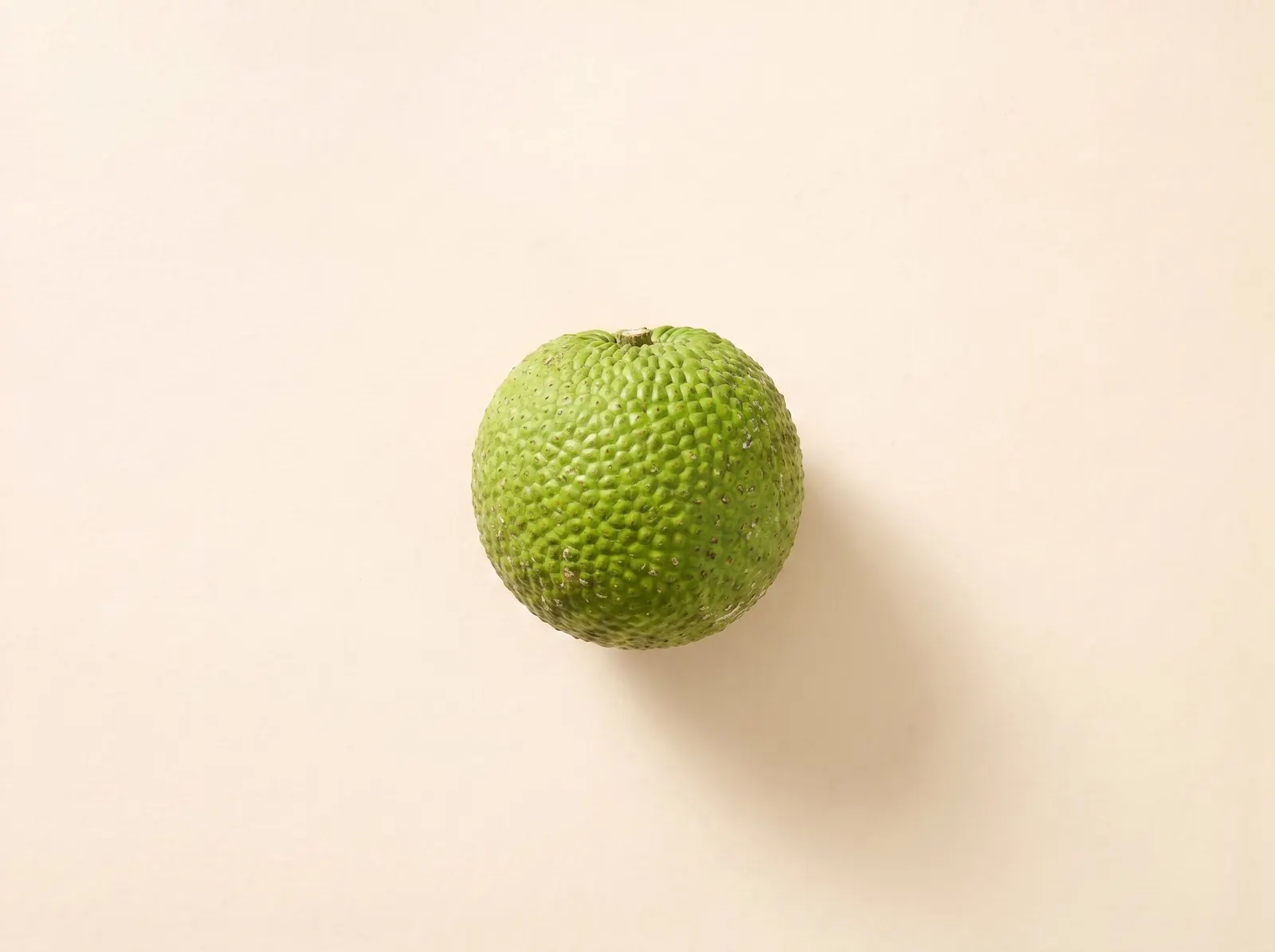
Breadfruit is a large, round, starchy tropical fruit with bumpy green skin and dense, white-to-pale-yellow flesh. Native to the Pacific Islands and now grown across the Caribbean, West Africa, and Southeast Asia, it serves as a staple carbohydrate similar to potato or yam. When cooked, it has a bread-like texture (hence the name) and mild, slightly nutty flavor that absorbs surrounding flavors well.
Health information for this food is under review. Reviewed claims will include their sources and limits.
Traditional uses
In Polynesian and Pacific Islander traditions, breadfruit ('ulu) is a sacred staple, considered a gift from the gods in Hawaiian creation stories. In Caribbean kitchens, particularly Jamaican and Trinidadian, roasted breadfruit serves as the carbohydrate centerpiece of family meals, often paired with saltfish or stewed meats. The famous 1789 Mutiny on the Bounty originated from a British expedition to transport breadfruit saplings from Tahiti to the Caribbean as a cheap food source for enslaved peoples. The crop carries a complex history of colonization, resilience, and deep cultural significance across the tropical world.
How to prepare
Breadfruit must be cooked before eating, never consumed raw. To roast whole, place over an open flame or in a hot oven until the skin blackens and the flesh is tender, about 45 minutes to an hour. To boil, peel, core, and cut into chunks, then simmer in salted water for 20 to 30 minutes. The cooked flesh can be mashed like potatoes, fried like chips, or added to stews. Both fully ripe (soft, sweet) and unripe (firm, savory) breadfruit have distinct culinary uses.
Recipe ideas
Share how you use BreadfruitJamaican Roasted Breadfruit with butter and salt. Pacific Islander 'Ulu Mash. Haitian Lam Veritab Bouyon. Trinidadian Breadfruit Oil-Down (with coconut milk).