
Cilantro
Herb
Also known as: English: Cilantro, Coriander. Spanish: Cilantro. French: Coriandre. Portuguese: Coentro. Khmer: Chi vannsuy. Vietnamese: Ngò rí. Thai: Phak chi. Hindi: Dhania. Arabic: Kuzbara.
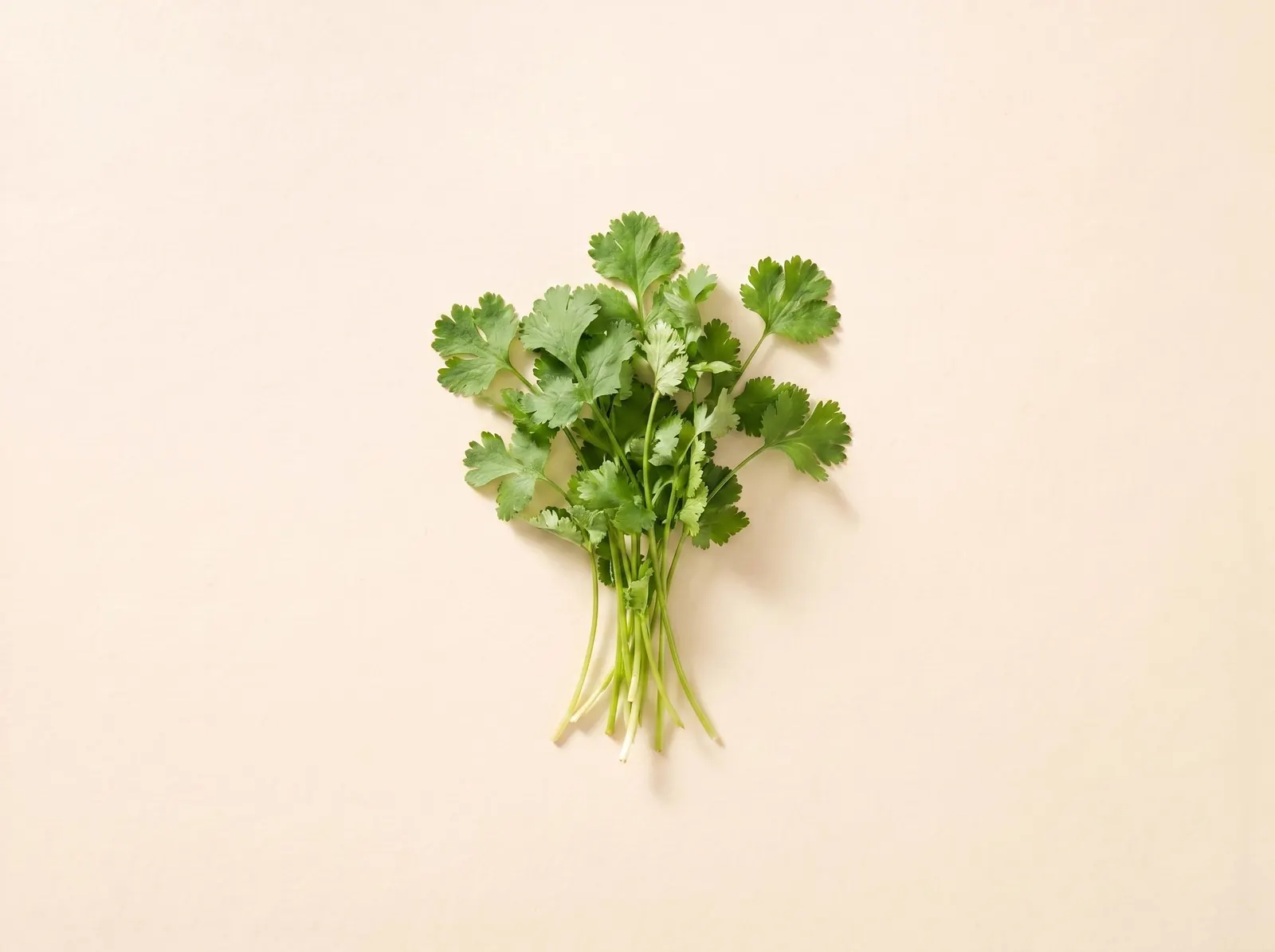
About this crop
Cilantro is a delicate, bright green herb with lacy, flat leaves and slender, tender stems. Every part of the plant is edible, from the pungent roots to the citrusy leaves, and finally to the warm, spicy seeds (coriander). Its flavor is highly polarizing, bright, soapy, citrusy, and peppery, but for those who love it, it is the unmistakable taste of freshness.
Health information for this food is under review. Reviewed claims will include their sources and limits.
Traditional uses
Cilantro is the ultimate cross-cultural bridge, a single herb that defines the flavor profiles of half the globe. In Mexican and Guatemalan kitchens, it is chopped raw with onions to top tacos and blended into vibrant green salsas. In Dominican and Puerto Rican traditions, it is the fresh, finishing note stirred into a pot of beans or a rich sancocho just before serving.
Across the Pacific, it is equally indispensable. In Thai and Cambodian cooking, the pungent roots are pounded into curry pastes, while the leaves garnish every bowl of noodle soup. In Indian cuisine, a handful of fresh dhania is the mandatory finishing touch for almost every dal and curry, providing a cooling contrast to heavy spices. In Portuguese cooking, coentro is the defining herb of the Alentejo region, used heavily in seafood stews.
There is no single anchor for cilantro; it belongs to everyone. It is the green thread that ties together the taco trucks of Olneyville, the pho restaurants of Cranston, the Indian buffets of East Side, and the Portuguese bakeries of East Providence. It is the world's herb, a universal symbol of bright, finishing freshness.
How to prepare
Cilantro is incredibly delicate and should almost always be used raw or added at the very last second of cooking, as heat quickly destroys its bright flavor and turns the leaves black. Wash the bunch thoroughly and shake it dry.
Unlike tougher herbs, cilantro stems are tender and packed with flavor. There is no need to painstakingly pick off the leaves. Simply chop the leaves and the upper, tender stems together.
To use cilantro as a universal garnish, finely chop a handful and sprinkle it over a finished dish, whether it is a bowl of Mexican pozole, an Indian chickpea curry, or a Thai green papaya salad. The residual heat of the food will release the herb's citrusy aroma without cooking it.
Recipe ideas
Share how you use Cilantro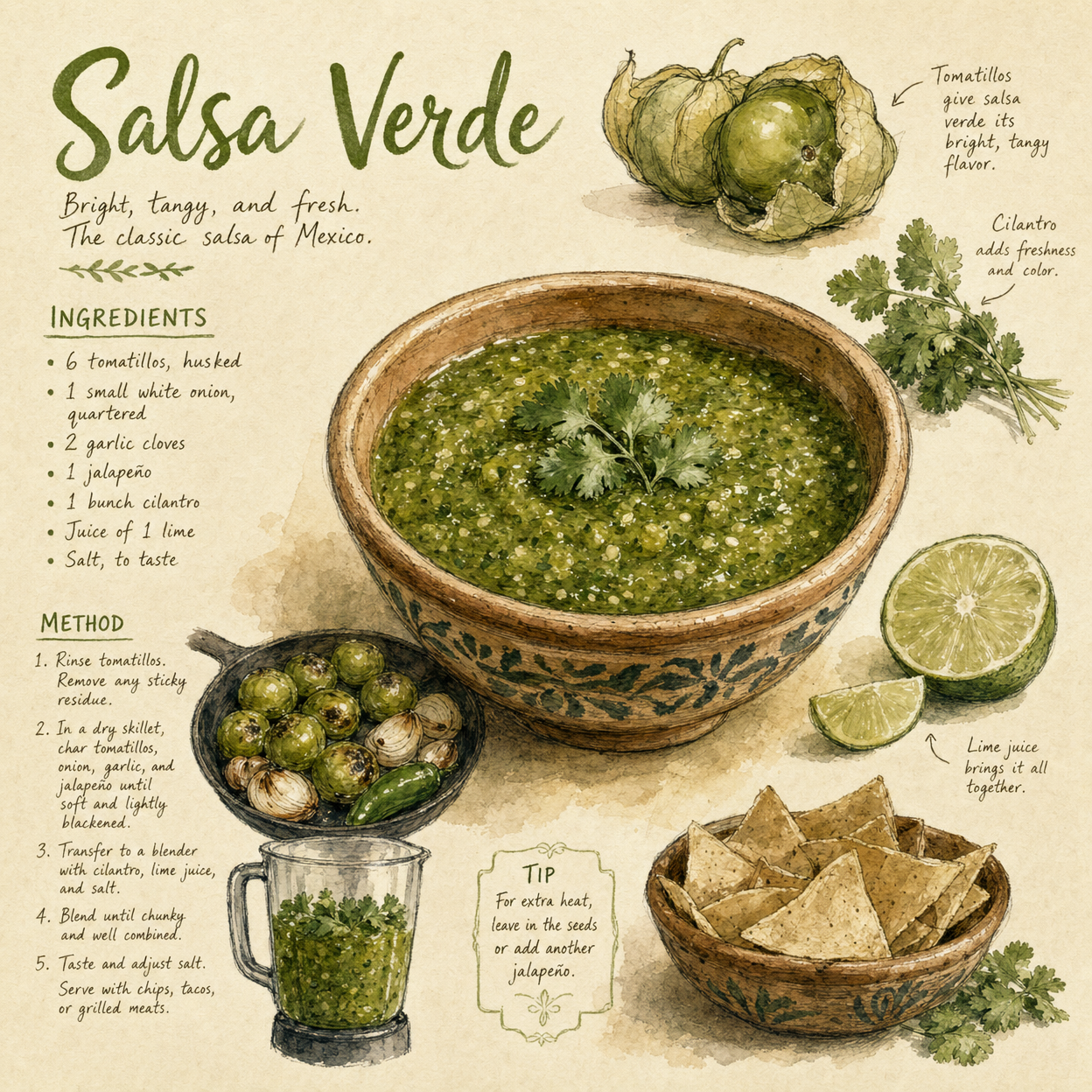
Pico de Gallo (Mexican/Central American): A fresh, raw salsa of chopped tomatoes, onions, jalapeños, lime juice, and a massive handful of cilantro.
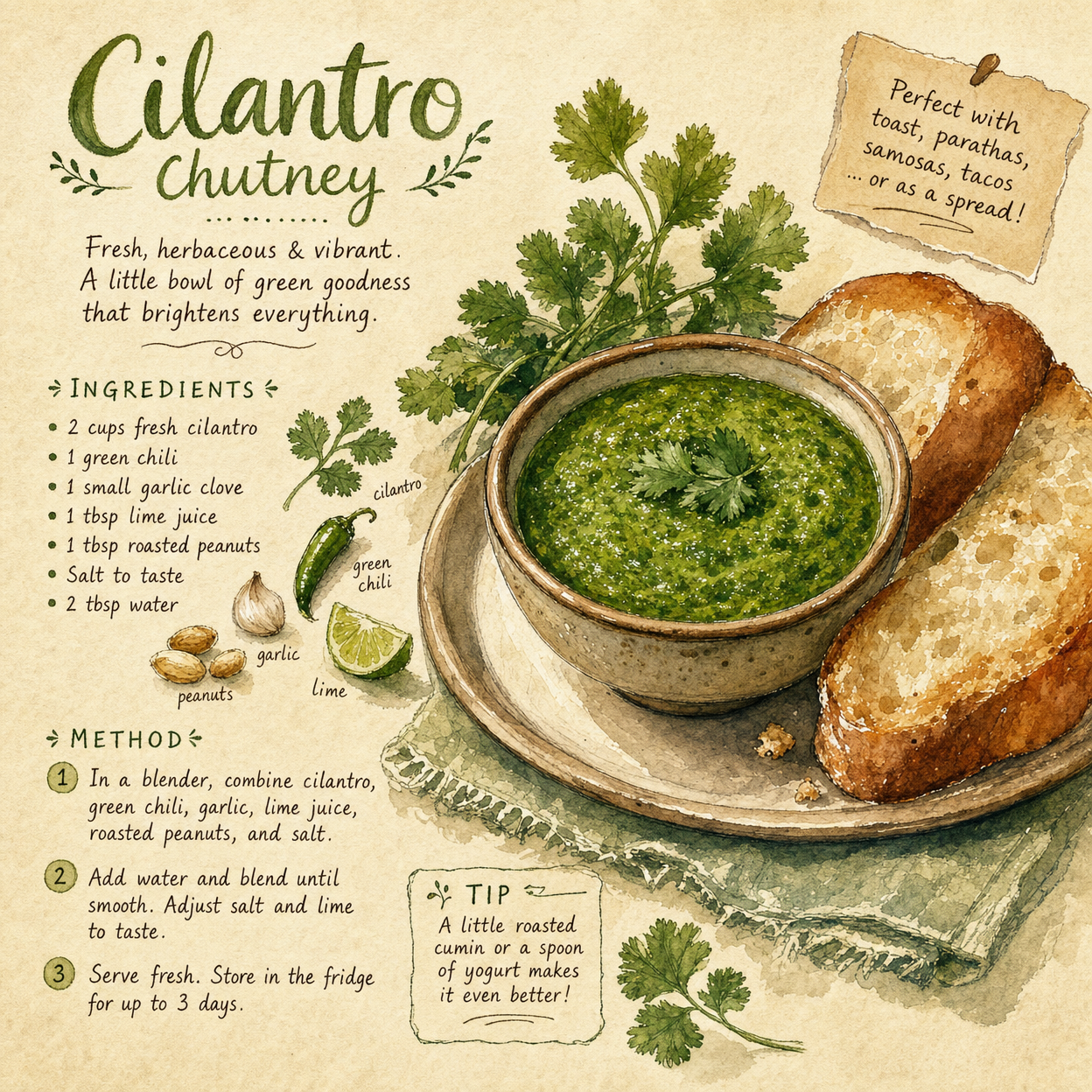
Coriander Chutney (Indian): A vibrant, spicy blending of fresh cilantro, green chilies, ginger, and lemon juice, used as a dipping sauce.
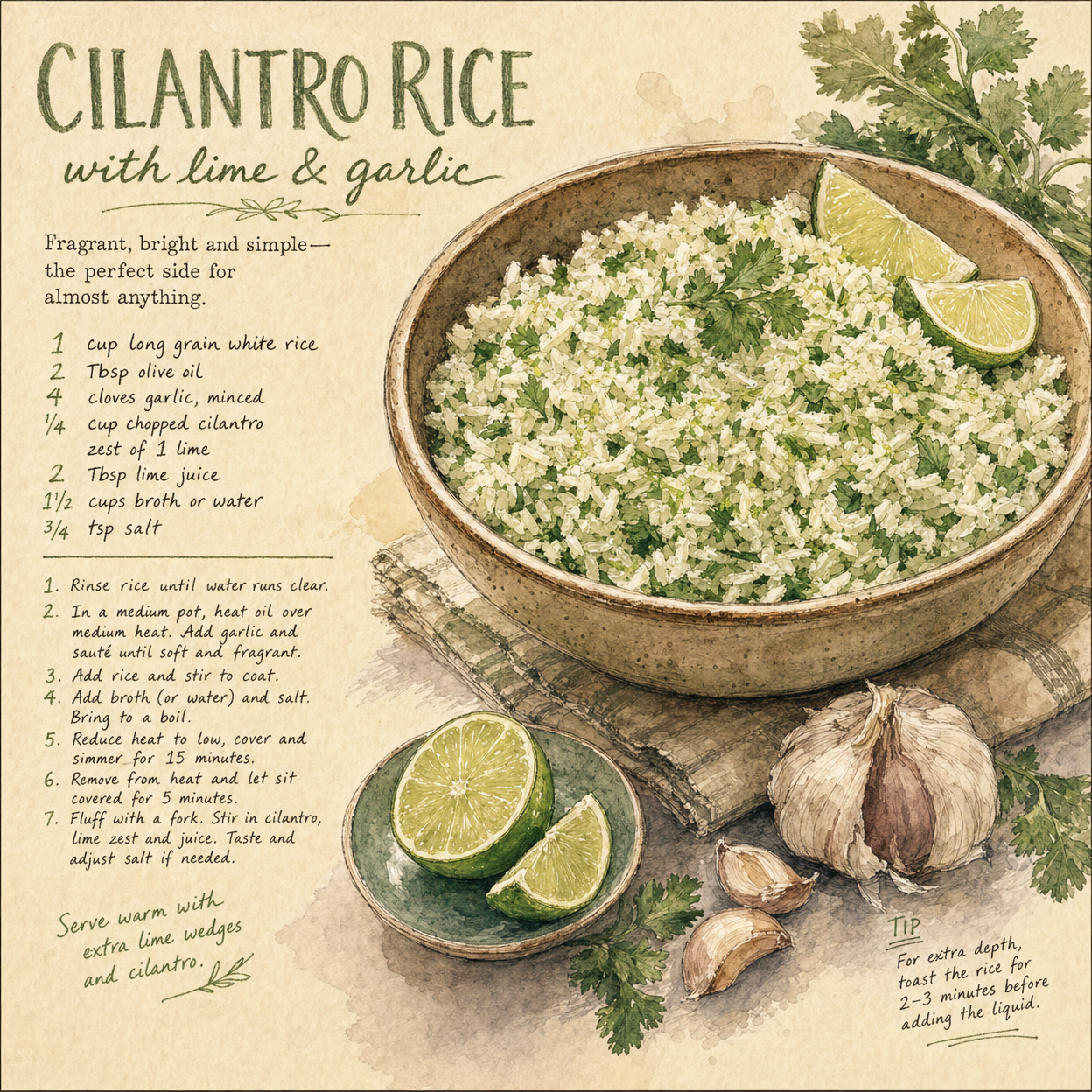
Açorda de Marisco (Portuguese Seafood Bread Soup): A rustic, garlic-heavy bread soup heavily perfumed with fresh cilantro.