
Culantro
Herb
Also known as: English: Culantro, Shado Beni. Spanish: Recao, Culantro. French: Herbe à fer. Portuguese: Coentro-largo. Vietnamese: Ngò gai. Thai: Phak chi farang. Khmer: Chi rona.
About this crop
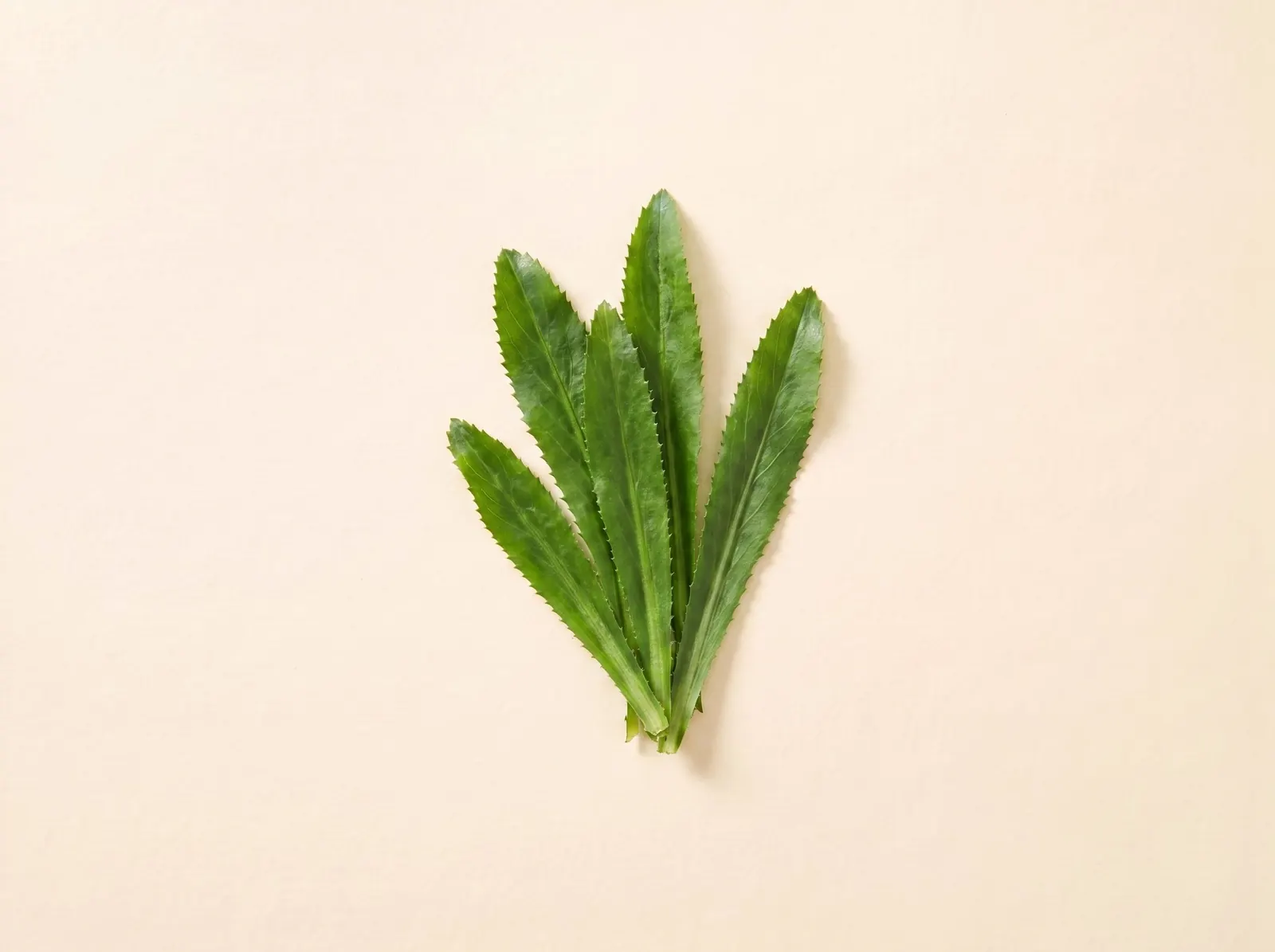
Culantro is a potent, leafy herb with long, serrated, spear-like leaves that grow in a low rosette. Though it shares a similar flavor profile with its delicate cousin, cilantro, culantro is vastly more intense, earthy, and pungent. Its sturdy leaves can withstand long cooking times without losing their flavor, making it an essential foundation for slow-simmered stews and marinades.
Health information for this food is under review. Reviewed claims will include their sources and limits.
Traditional uses
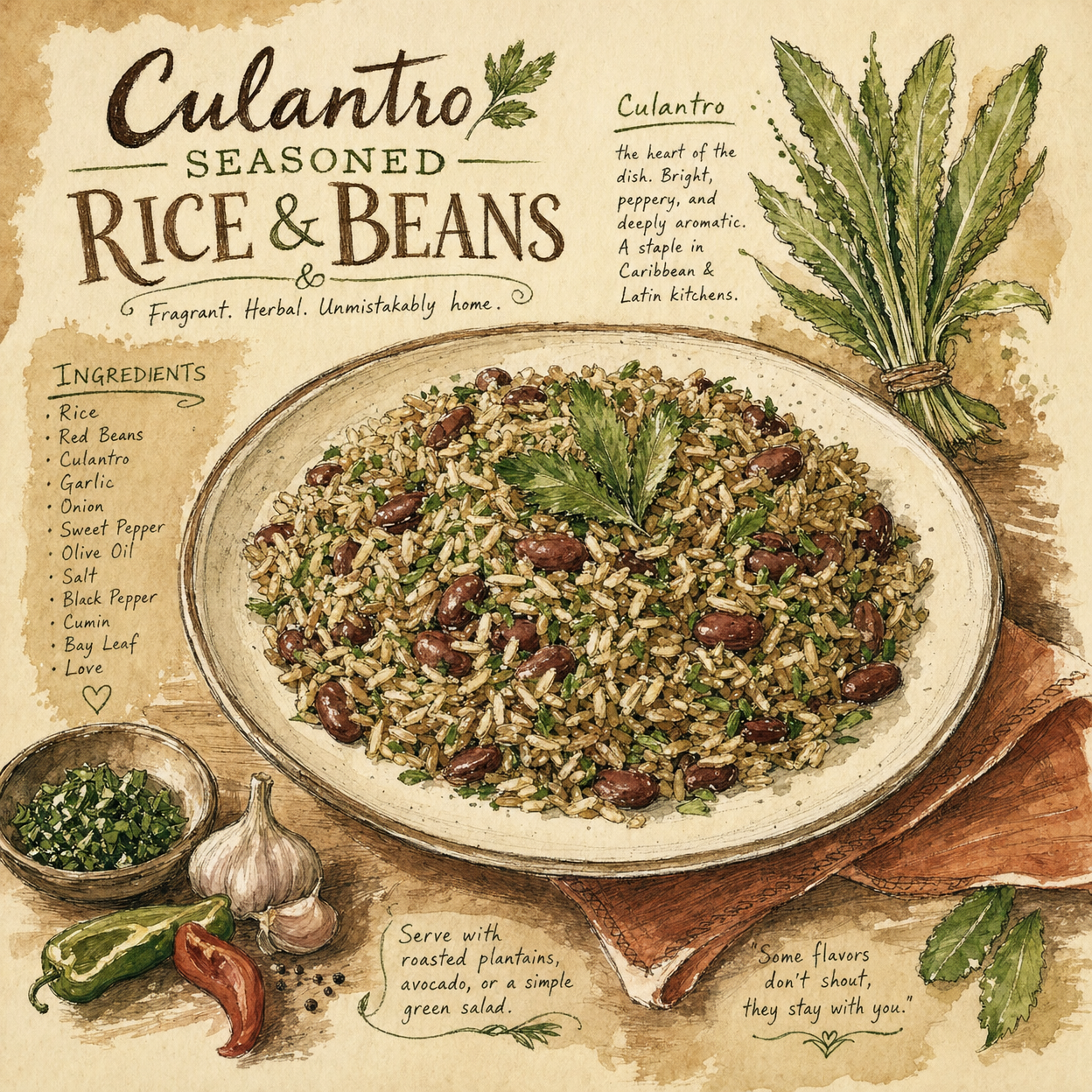
In Puerto Rican and Dominican kitchens, culantro (often called recao) is the soul of the cuisine. It is the indispensable ingredient in sofrito, the aromatic puree of peppers, onions, garlic, and herbs that forms the flavor base for almost every stew, rice dish, and bean pot. In Trinidad, known as shado beni, it is blended into green seasoning for marinating meats and finishing curries.
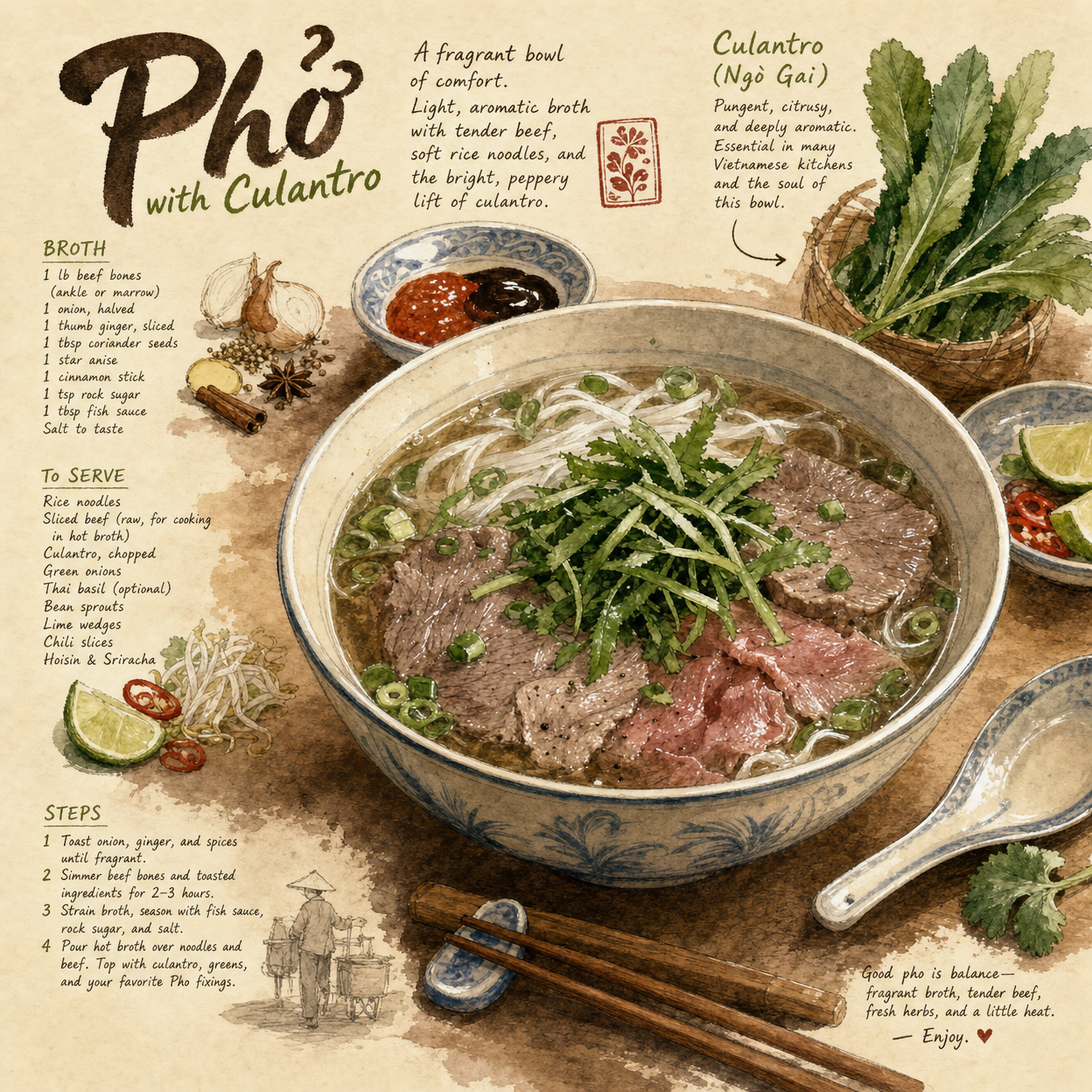
Halfway across the world, this exact same herb is crucial to Southeast Asian cooking. In Vietnam, ngò gai is served fresh alongside pho, its sturdy leaves torn into the hot broth to release their pungent aroma. In Cambodia and Thailand, it is chopped into spicy, lime-drenched meat salads (larb) and sour soups, providing a deep, earthy counterpoint to bright citrus and chili.
This hidden herb bridges the Caribbean and Southeast Asian communities of Rhode Island. The same serrated leaf that gives a Puerto Rican sofrito its unmistakable depth in South Providence is used to perfume a bowl of Vietnamese pho in Cranston. It is a shared secret weapon, a powerhouse of flavor that defines multiple culinary worlds.
How to prepare
Unlike delicate cilantro, culantro leaves are tough and benefit from being finely chopped or blended. Wash the long leaves thoroughly, as dirt can collect near the base of the rosette.
To make a classic Caribbean sofrito or green seasoning, roughly chop a bunch of culantro and blend it in a food processor with garlic, onions, sweet peppers (like aji dulce), and a little oil or water until it forms a coarse paste. This paste can be frozen in ice cube trays and used as the starting point for soups, stews, and rice dishes.
In a Southeast Asian preparation, you can use culantro fresh. Stack the leaves, slice them very thinly (chiffonade), and toss them into a spicy beef salad or a bowl of hot noodle soup just before serving. The heat of the broth will soften the leaves slightly while releasing their intense aroma.
Recipe ideas
Share how you use Culantro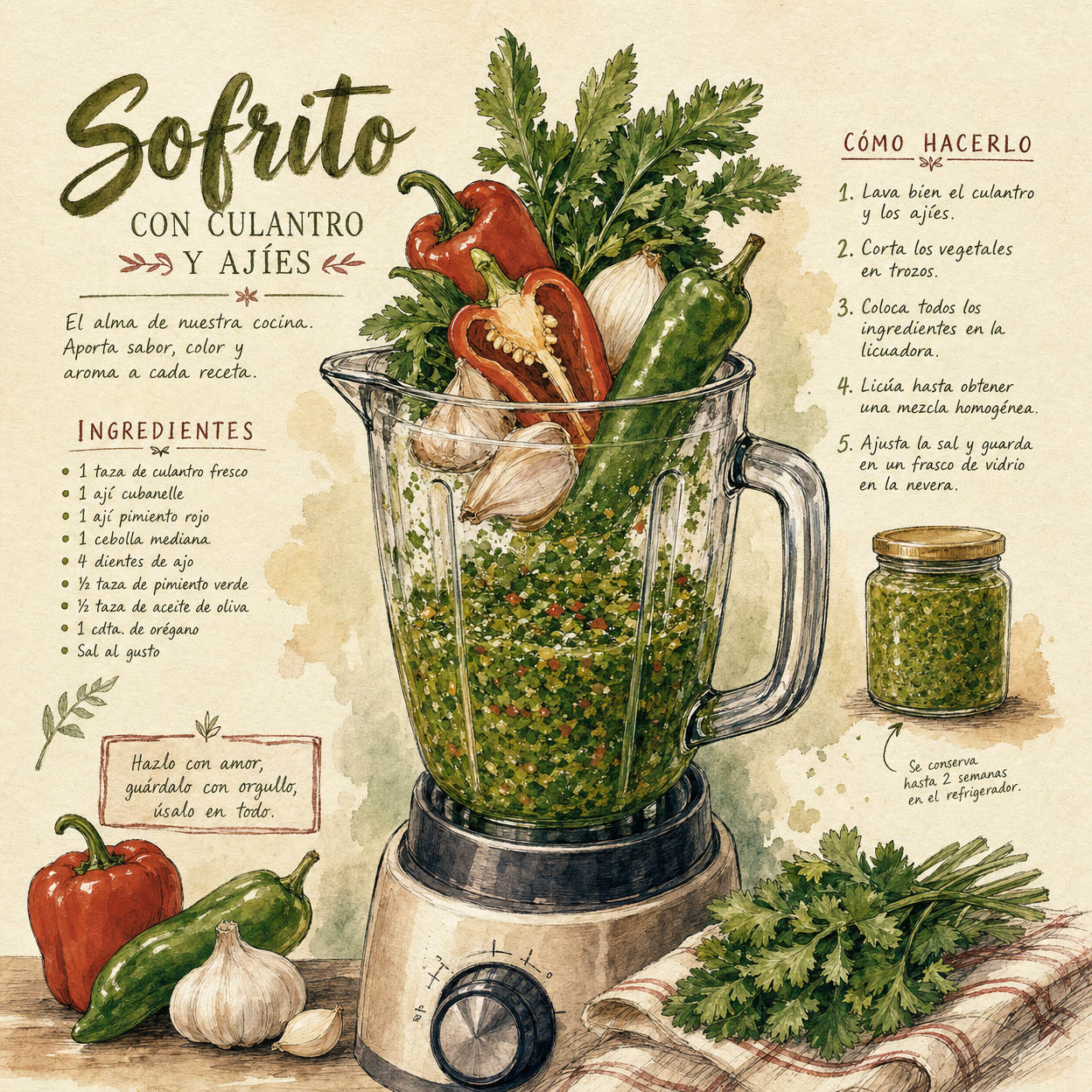
Puerto Rican Sofrito: A blended base of culantro, garlic, onions, and sweet peppers used to flavor rice and beans.
Pho Accompaniment (Vietnamese): Fresh culantro leaves served alongside basil and bean sprouts, meant to be torn into hot beef soup.
Trinidadian Green Seasoning: A potent marinade of blended culantro, thyme, garlic, and scallions used for chicken and fish.