
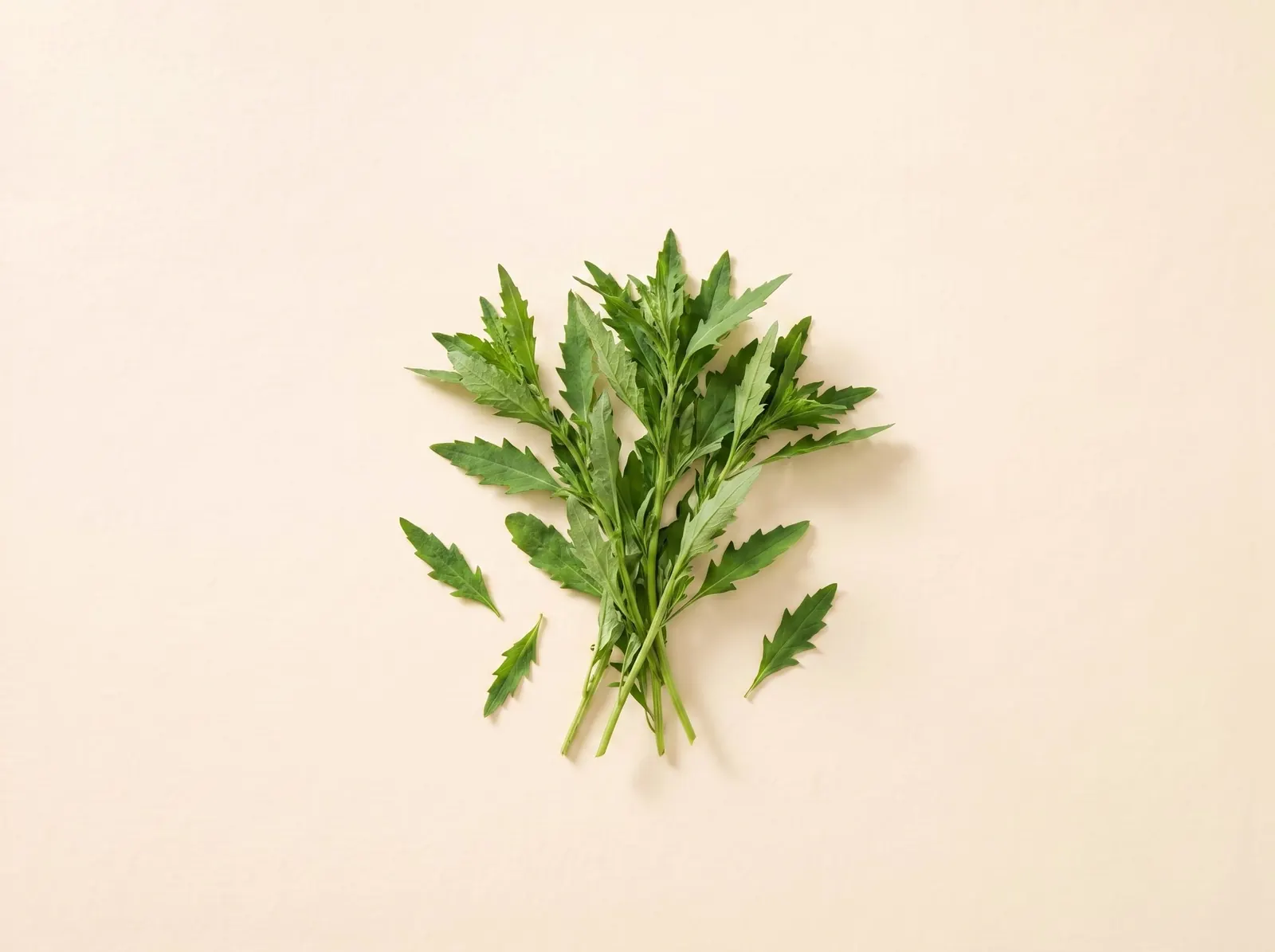
About this crop
An aromatic herb central to traditional Mexican and Central American cooking, with a pungent, resinous flavor described as a mix of oregano, anise, and mint. Growability: grows here now in the NYC and RI foodshed (Tier 1 Act Now), a very easy warm-season annual that thrives in the Northeast summer and readily self-seeds.
Safety
Use epazote only as a seasoning herb in cooking. Do not use epazote oil (oil of chenopodium) or strong or repeated teas made from the plant; these have caused serious poisonings, including deaths in children. Do not give epazote teas or preparations to children, and avoid them if you are pregnant or breastfeeding.
Applies to: Epazote (Dysphania ambrosioides); the pregnancy, breastfeeding and young-child caution covers teas, oils and concentrated preparations, not seasoning amounts.
Health information for this food is under review. Reviewed claims will include their sources and limits.
Traditional uses
Historically used as a carminative (to reduce flatulence, hence its pairing with beans) and an anthelmintic.
How to prepare
Most famously used to flavor black beans, mole, and quesadillas; added toward the end of cooking to preserve its volatile essential oils.
Recipe ideas
Share how you use EpazoteBlack beans with epazote; quesadillas de epazote.