
Fava Beans
Legume
Also known as: English: Fava Beans, Broad Beans. Spanish: Habas. French: Fèves. Portuguese: Favas. Italian: Fave. Arabic: Ful. Amharic: Baqela.
About this crop
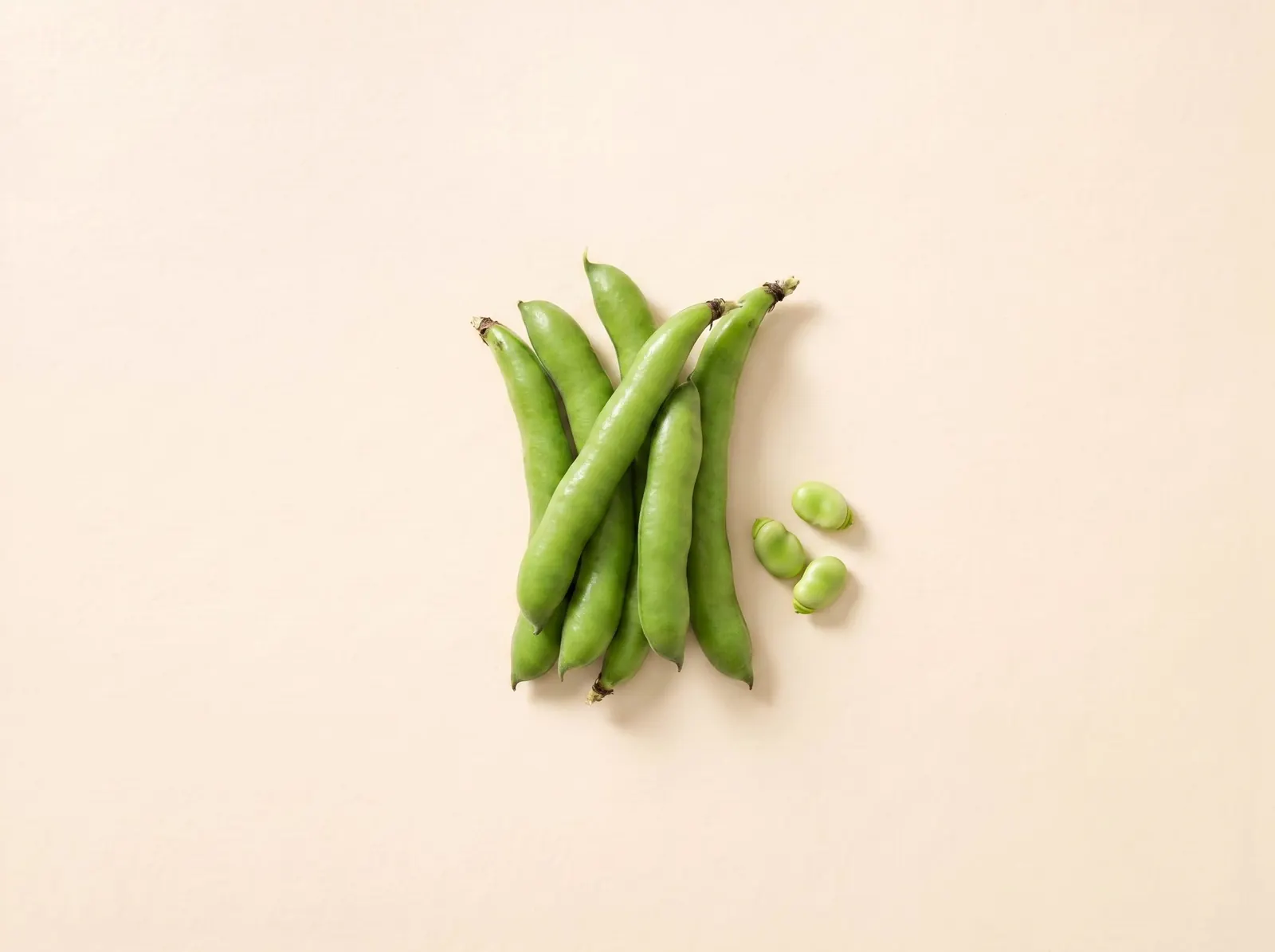
Fava beans are ancient, majestic legumes that grow in large, thick, velvety green pods. Inside the pod, the large, flat beans are encased in a tough, bitter outer skin that must usually be removed to reveal the brilliant, emerald-green, tender bean inside. They have a rich, buttery, and deeply earthy flavor that tastes distinctly of spring.
Safety
If you have G6PD deficiency, do not eat fava beans (also called broad beans), fresh or dried, raw or cooked. In people with this inherited condition, eating fava beans can cause favism: a sudden breakdown of red blood cells that can be serious enough to need hospital care. If G6PD deficiency runs in your family, ask your clinician about testing.
Applies to: People with G6PD deficiency (and relatives who have not been tested); the trigger is eating the beans.
Fava bean pods and beans naturally contain levodopa (L-DOPA). If you take levodopa (for example carbidopa-levodopa), a large serving of fava beans can add to your medicine's effect and has caused involuntary movements (dyskinesias), so talk with your clinician before eating them regularly or in large amounts. If you take the MAO inhibitor phenelzine (Nardil), its US label lists broad (fava) bean pods among foods to avoid.
Applies to: People taking levodopa-containing medicines or MAO inhibitor antidepressants.
Health information for this food is under review. Reviewed claims will include their sources and limits.
Traditional uses
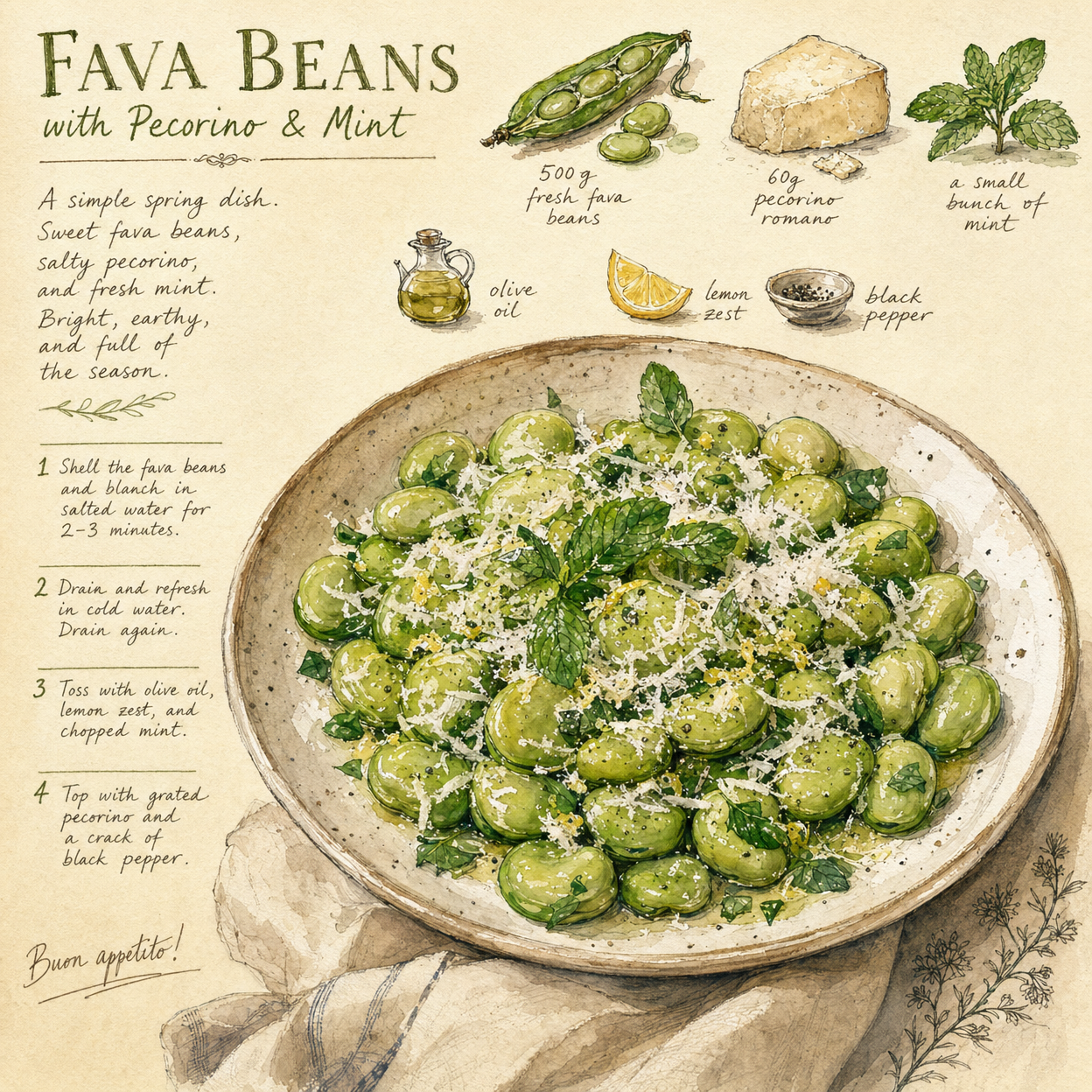
In Italian and Portuguese traditions, the arrival of fresh fava beans marks the true beginning of spring. They are painstakingly shelled, blanched, and peeled, then tossed simply with olive oil, pecorino cheese, and mint, or simmered into rich, green stews. In Portugal, favas are often stewed with chouriço and ribs, creating a hearty, savory dish that bridges the seasons.
In North Africa and the Middle East, the dried fava bean is the foundation of daily life. In Egypt, dried favas are slow-cooked overnight to create ful medames, the national breakfast dish, mashed with cumin, lemon, and olive oil. In the Levant, dried favas are ground with chickpeas to create the original, perfectly crisp falafel.
This ancient bean connects the Portuguese kitchens of East Providence with the Middle Eastern and North African communities of Rhode Island. Whether celebrated fresh in a delicate spring salad or slow-cooked from dried into a sustaining, daily breakfast, the fava bean is a testament to the enduring power of humble ingredients.
How to prepare
Preparing fresh fava beans is a labor of love. First, snap the end of the large pod and pull the string down the seam to open it. Remove the large beans inside. At this stage, the beans are still covered in a tough, pale skin.
Bring a pot of water to a boil, drop the shelled beans in for exactly one minute, then transfer them immediately to a bowl of ice water. Once cool, pinch the edge of each bean's skin; the bright green, tender inner bean will slip right out. These double-shelled beans can now be quickly sautéed with garlic and herbs, or mashed onto crostini.
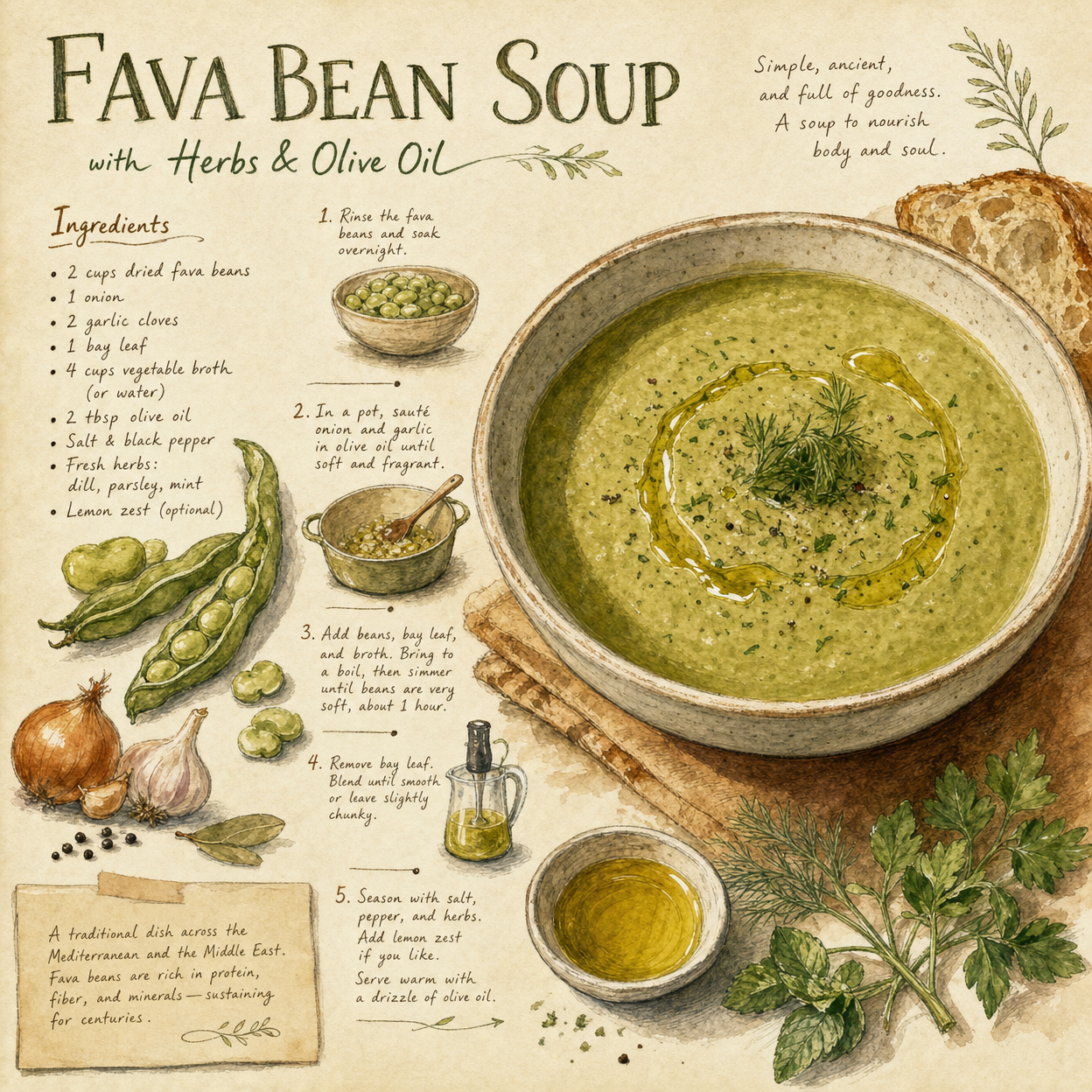
To prepare dried fava beans (for dishes like ful medames), they must be soaked overnight in plenty of water. Drain them, then simmer them gently in fresh water for several hours until they are completely soft and beginning to fall apart, ready to be mashed with olive oil, lemon, and cumin.
Recipe ideas
Share how you use Fava Beans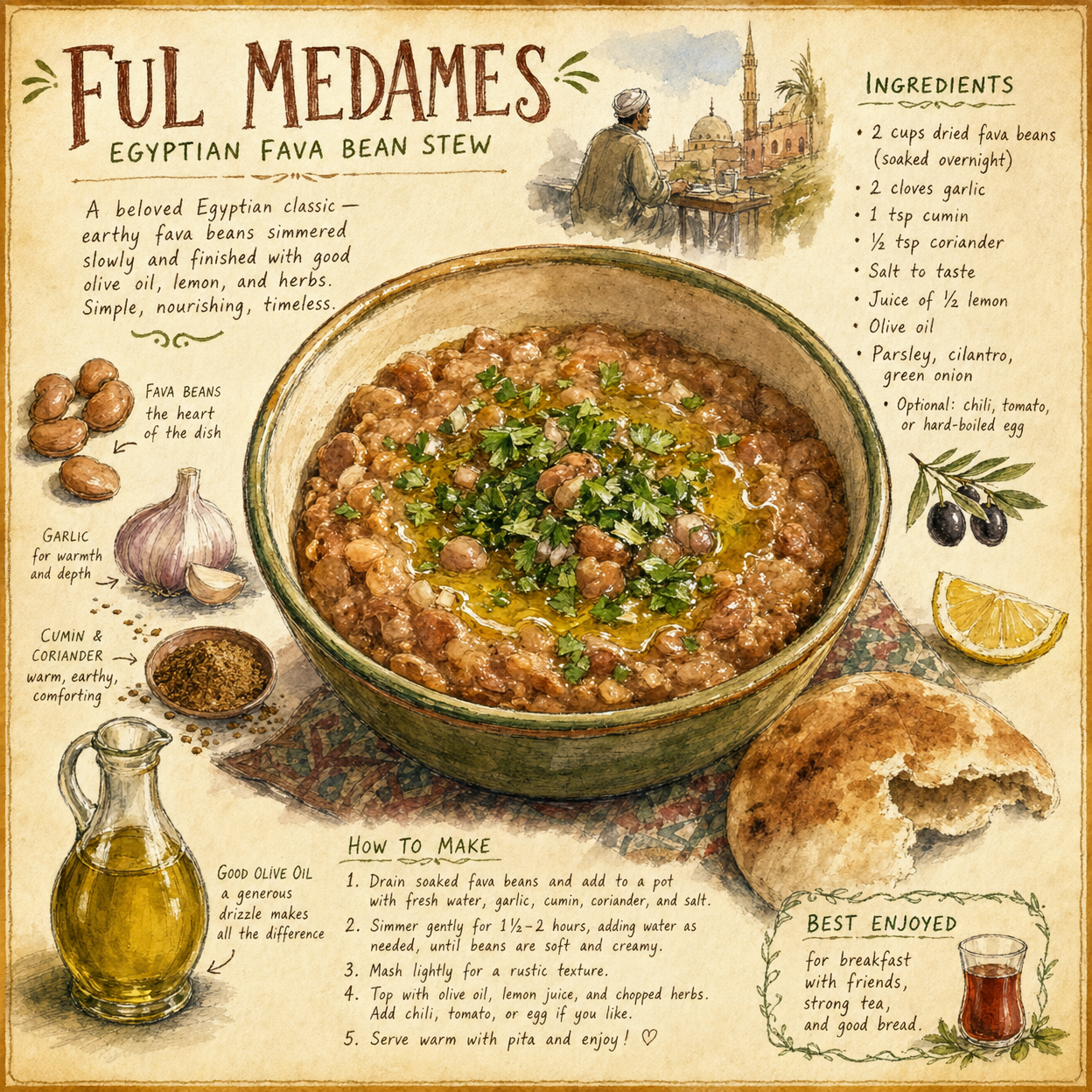
Ful Medames (Egyptian Breakfast): Dried fava beans slow-cooked until creamy, mashed with olive oil, lemon juice, garlic, and cumin.
Favas Guisadas (Portuguese Stewed Favas): Fresh or frozen fava beans stewed with onions, garlic, chouriço, and fresh cilantro.
Spring Fava Crostini (Italian): Double-shelled fresh fava beans mashed with olive oil, mint, and pecorino, served on toasted bread.