
Flint Corn
Grain
Also known as: English: Flint Corn, Indian Corn, Narragansett Corn. Spanish: Maíz duro. French: Maïs corné. Portuguese: Milho duro. Narragansett: Ewachim-neash.
About this crop
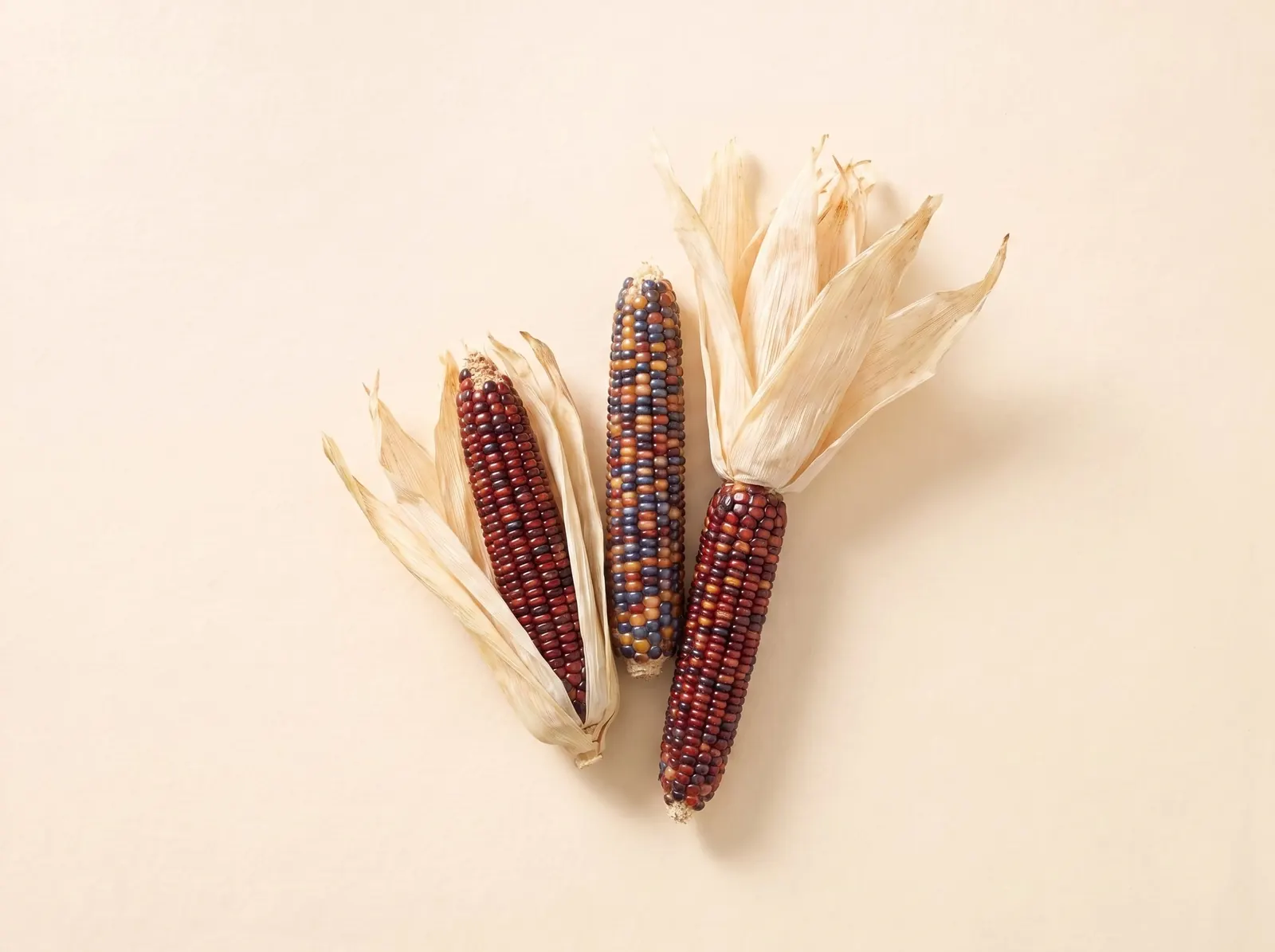
Flint corn is one of the oldest varieties of maize, characterized by kernels that have a hard, glass-like outer shell (the "flint"). Unlike the soft, sugary sweet corn eaten on the cob in summer, flint corn is allowed to dry fully on the stalk. Its kernels, which can be brilliantly colored in shades of red, blue, yellow, and white, are ground into hearty meals or treated with wood ash.
Health information for this food is under review. Reviewed claims will include their sources and limits.
Traditional uses
For the Narragansett, Wampanoag, and other Indigenous peoples of New England, flint corn is a sacred, foundational food. It is the heart of the Three Sisters agricultural system, providing the sturdy stalk for beans to climb. It is ground into coarse meal for nasaump (a thick porridge) or baked into dense, sustaining journey cakes that fueled travel and survived harsh winters.
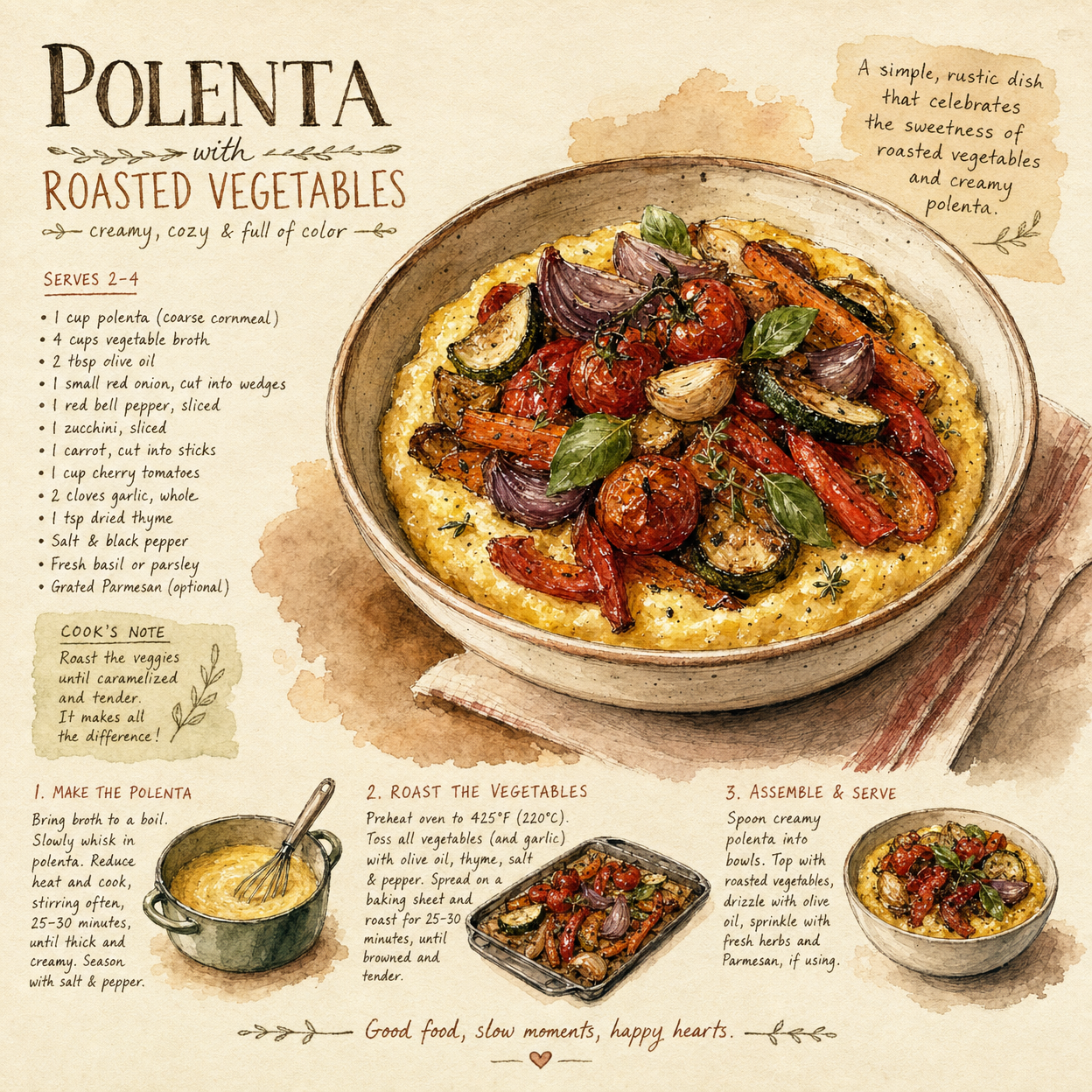
This exact same hard corn tradition echoes across the Americas and the Atlantic. In Central America, hard corn is nixtamalized (treated with alkaline ash or lime) to create masa for tortillas and tamales. In Cape Verde, dried corn (milho) is the base of cachupa, the national stew. In the American South, it is ground into grits, and in Italy, it becomes polenta.
Flint corn is the true anchor of Rhode Island's food history. It connects the deep, ancestral knowledge of the Narragansett people with the Cape Verdean stews of Pawtucket, the Guatemalan tamales of Central Falls, and the Italian polenta of Federal Hill. It is the first grain, the shared foundation of survival.
How to prepare
Because flint corn is rock-hard, it cannot be eaten fresh off the cob. It must be processed. The most common method for home cooks is to buy it already ground into cornmeal or grits, or processed into hominy (nixtamalized corn kernels).
To cook traditional coarse cornmeal (like polenta or grits), bring four parts salted water or broth to a boil. Slowly whisk in one part cornmeal to prevent lumps. Reduce the heat to the lowest setting, cover, and simmer slowly for 45 minutes to an hour, stirring frequently, until the meal is thick, creamy, and tender. Finish with butter or oil.
To use whole dried corn kernels (hominy) for a Cape Verdean cachupa or a Mexican pozole, the kernels must be soaked overnight and then simmered for several hours in a rich broth with meats and beans until they burst open and become chewy and tender.
Recipe ideas
Share how you use Flint Corn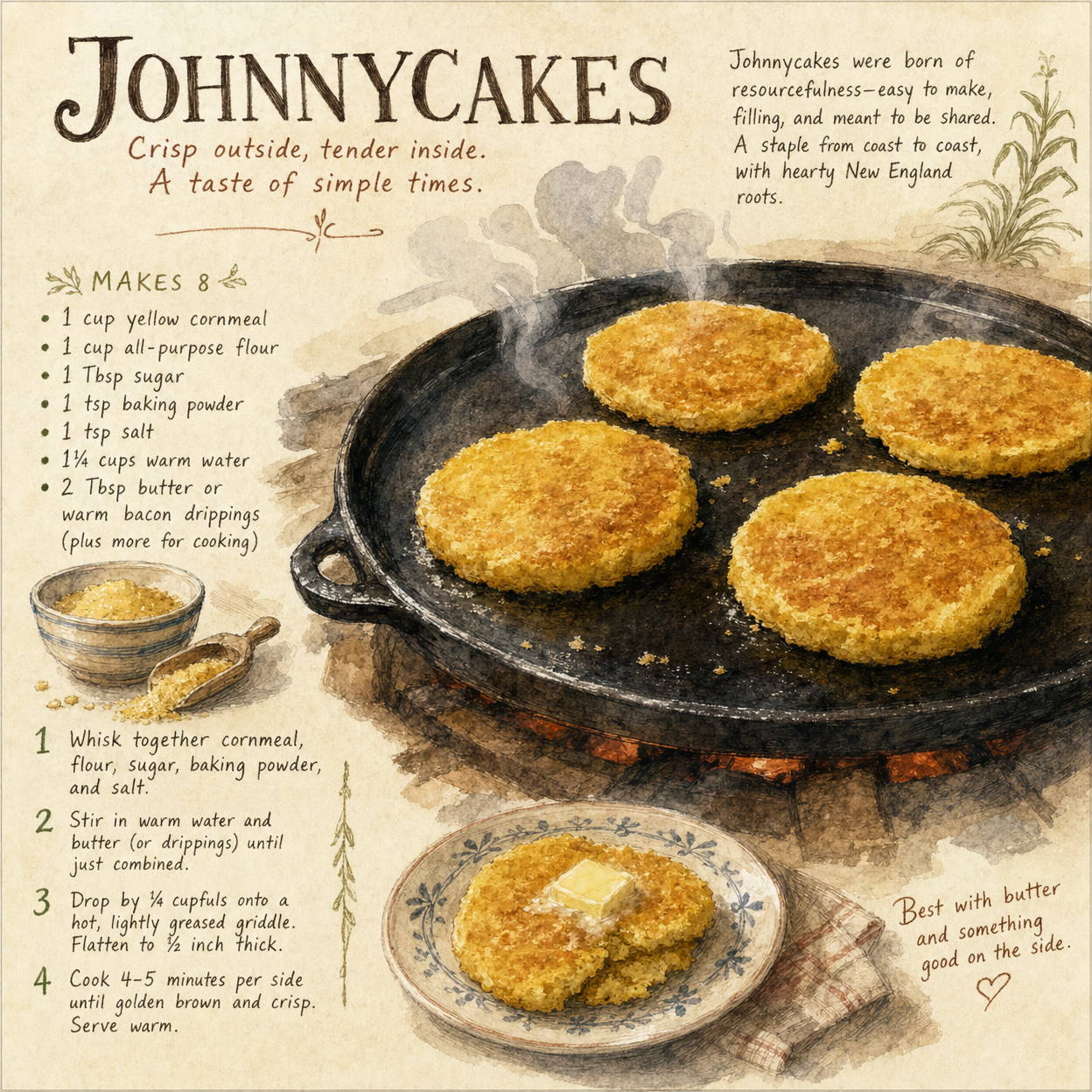
Nasaump (Indigenous Corn Porridge): Coarse flint cornmeal simmered slowly with water, often sweetened with maple syrup or berries, or made savory with broth.
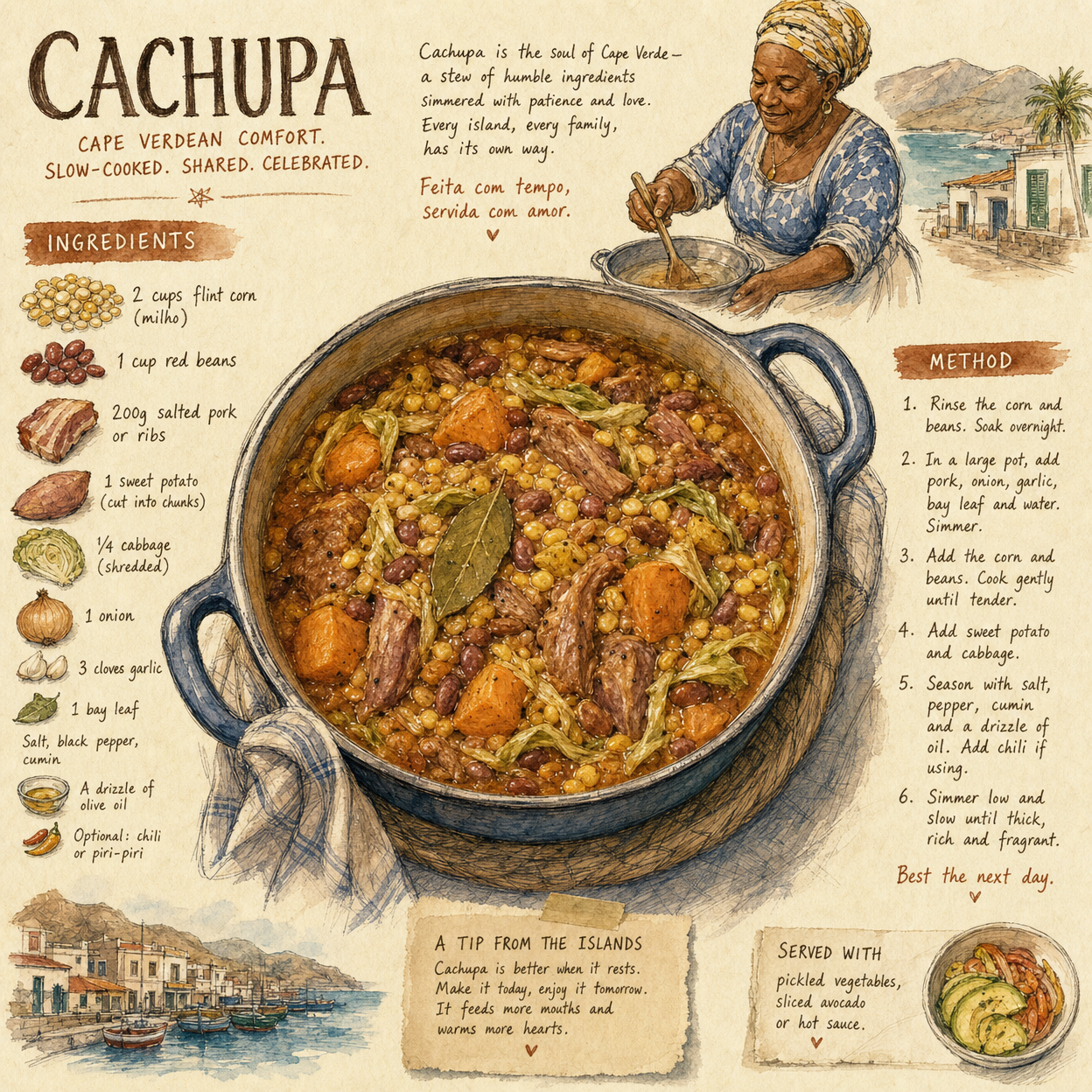
Cachupa (Cape Verdean Stew): A slow-cooked, hearty stew of whole dried corn (hominy), various beans, and marinated meats.
Pozole (Mexican/Central American Soup): A rich, chili-infused broth loaded with chewy, nixtamalized corn kernels and shredded pork or chicken.