
Malabar Spinach
Leafy Green
Also known as: English: Malabar Spinach, Climbing Spinach, Vine Spinach. Hindi: Poi saag, Mayalu. Tagalog: Alugbati. Vietnamese: Mồng tơi. Chinese (Mandarin): Luòkuí. Yoruba: Amunututu.
About this crop
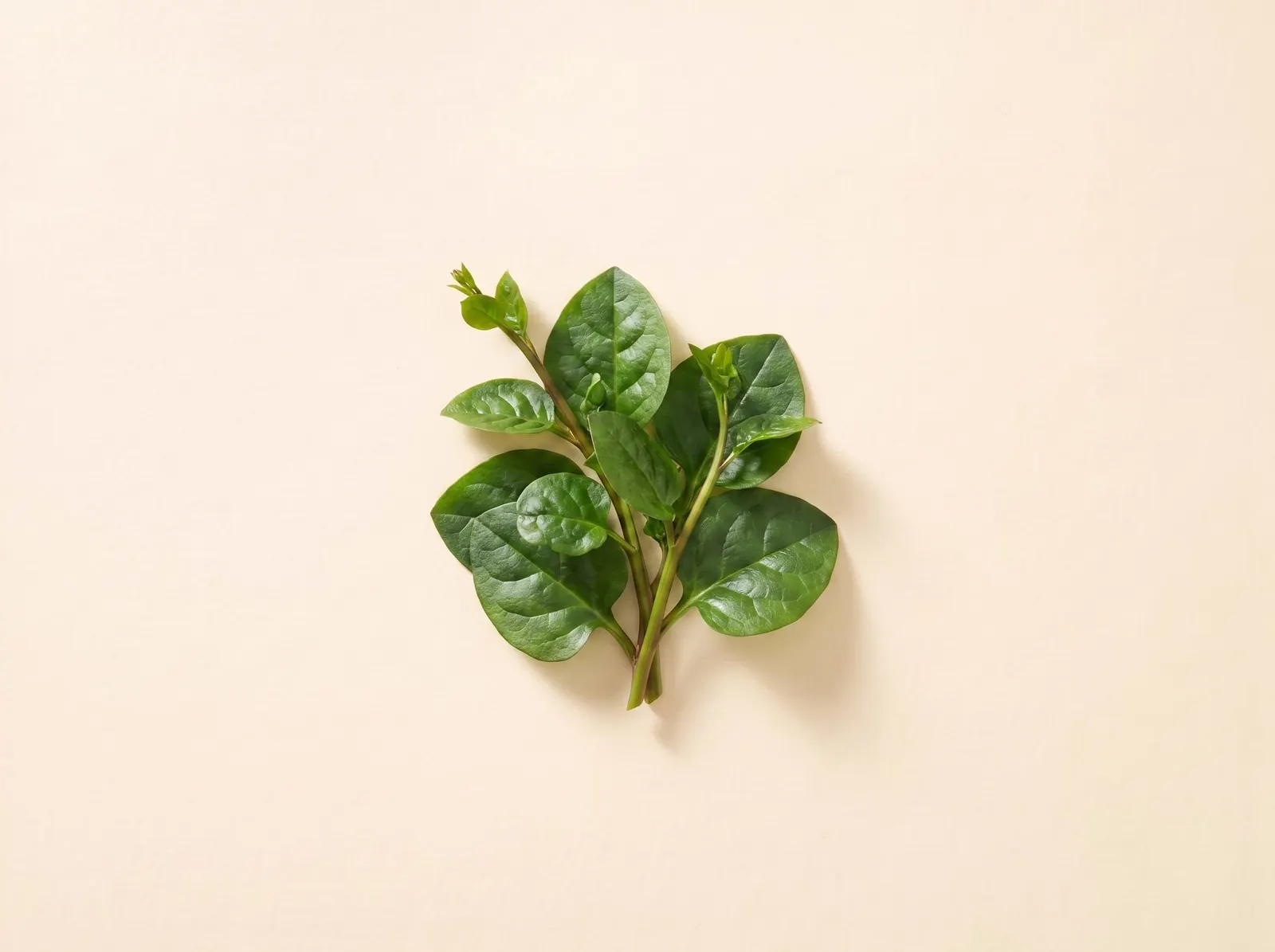
Malabar spinach is a heat-loving climbing vine native to South Asia, with thick, glossy, slightly succulent green or red-stemmed leaves. Despite the name, it is not a true spinach but thrives in hot, humid weather where regular spinach bolts. Across South Asia, Southeast Asia, and West Africa, it serves as a warm-season leafy green replacement, prized for its mild, slightly mucilaginous texture similar to okra.
Health information for this food is under review. Reviewed claims will include their sources and limits.
Traditional uses
In South Asia, particularly in Bengali and Odia kitchens, poi saag is a beloved monsoon-season green, valued for its cooling properties in tropical heat. In the Philippines, alugbati features in sour soups and chicken stews. In Vietnamese cooking, canh mồng tơi is a mother's everyday comfort soup. The plant's vine habit, climbing on fences and trellises, makes it a space-efficient garden crop in tropical zones. Its presence in West African and Caribbean kitchens reflects the centuries-old connections between South Asian, African, and diaspora foodways.
How to prepare
Wash and tear the leaves; tender stems can be used too. The leaves cook quickly and release a slight thickening quality when wilted. For an Indian Poi Saag preparation, sauté with onion, garlic, and mustard seeds. For a Filipino dish, add to chicken tinola or sour soups. The mucilaginous texture works well in soups and stews where natural body is desired. Avoid overcooking to maintain the bright green color.
Recipe ideas
Share how you use Malabar SpinachIndian Poi Saag with potatoes and mustard seeds. Filipino Sinampalukang Manok with alugbati. Vietnamese Canh Mồng Tơi (Malabar spinach soup). Caribbean Callaloo variant with Malabar spinach.