
Pigeon Peas
Legume
Also known as: English: Pigeon Peas, Gungo Peas. Spanish: Guandules, Gandules. French: Pois d'Angole. Portuguese: Feijão-guandu. Hindi: Toor dal. Swahili: Mbaazi.
About this crop
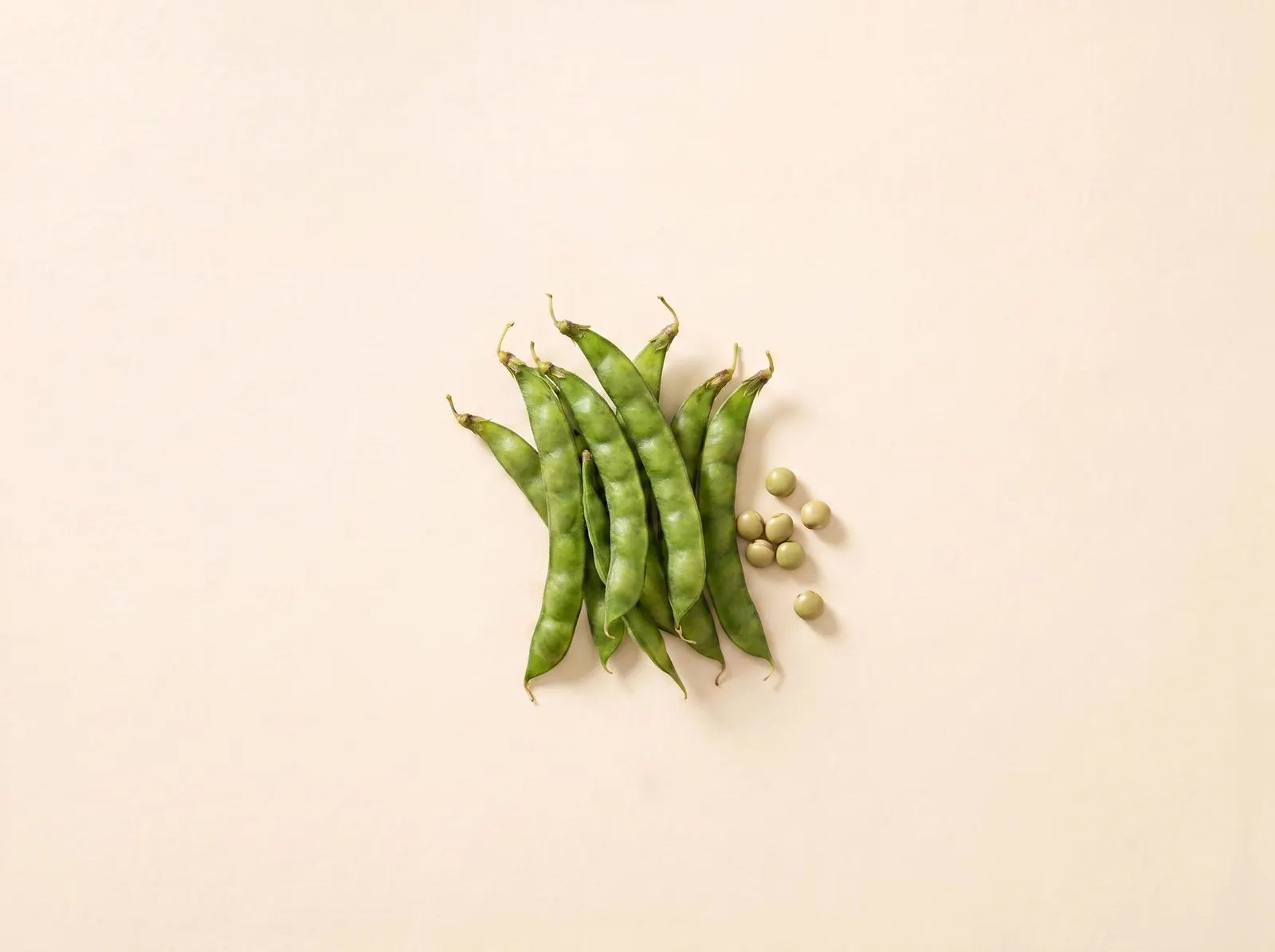
Pigeon peas are small, round legumes that grow in fuzzy pods on drought-resistant shrubs. When fresh, they are vibrant green and tender; when dried, they turn a mottled grayish-brown and develop a deep, nutty, and slightly earthy flavor. They are incredibly resilient, capable of fixing nitrogen in the soil and thriving in harsh conditions.
Health information for this food is under review. Reviewed claims will include their sources and limits.
Traditional uses
In Dominican and Puerto Rican traditions, pigeon peas (guandules or gandules) are the ultimate festival food. They are the star of Moro de Guandules and Arroz con Gandules, the iconic, savory rice dishes served at Christmas, weddings, and Sunday family dinners. They are often cooked with coconut milk, squash, and sofrito, creating a rich, complex flavor profile.
Originally native to India and East Africa, pigeon peas are a global staple. In India, they are split and dried to make toor dal, the foundational lentil soup of millions. In East Africa, they are simmered in rich coconut curries (mbaazi za nazi). The crop traveled across the Atlantic, becoming deeply embedded in the culinary identity of the Caribbean.
This festival bean connects the Dominican families of South Providence with the Indian and East African communities across the state. Whether it is simmering in a Caribbean rice pot or bubbling in an Indian dal, the pigeon pea represents celebration, resilience, and the deep, shared history of global trade.
How to prepare
Fresh or frozen green pigeon peas cook relatively quickly and have a sweeter, more vegetal flavor. Dried pigeon peas must be soaked overnight and boiled for an hour or more until tender, yielding a deeper, earthier taste. Canned pigeon peas are a convenient and widely used alternative in many Caribbean households.
For a classic Dominican Moro de Guandules, sauté sofrito (onions, garlic, peppers, cilantro) in a heavy pot. Add canned or pre-cooked pigeon peas, a splash of tomato paste, and rice. Stir to coat the rice, then add water or broth. Bring to a boil, reduce the heat, cover tightly, and simmer until the rice is tender and has absorbed all the savory flavors.
In an East African preparation, simmer boiled pigeon peas in thick coconut milk with turmeric, ginger, and green chilies until the sauce reduces and clings to the beans, serving it alongside chapati or rice.
Recipe ideas
Share how you use Pigeon Peas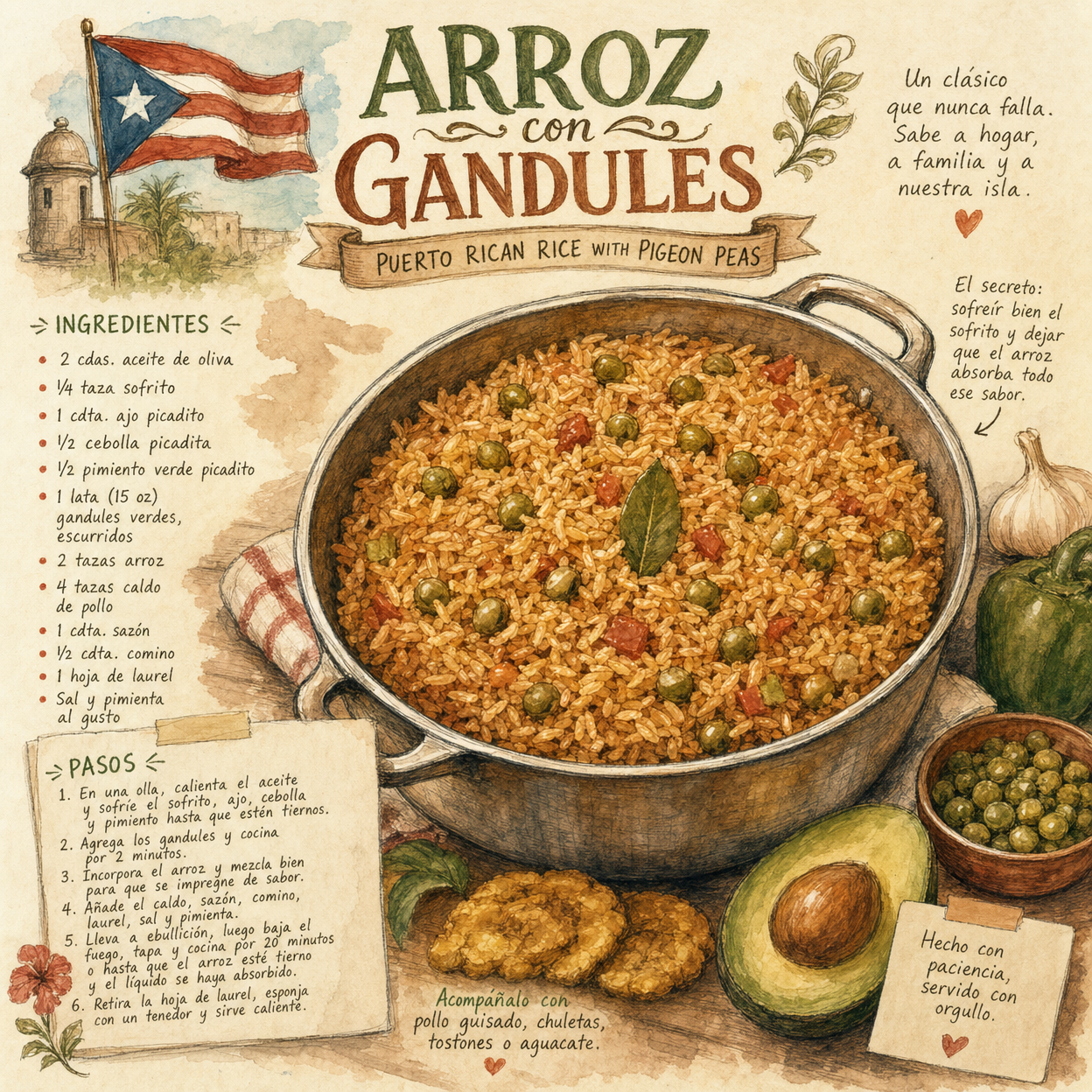
Moro de Guandules (Dominican Rice and Peas): A savory, deeply flavored pot of rice cooked with pigeon peas, sofrito, and sometimes coconut milk.
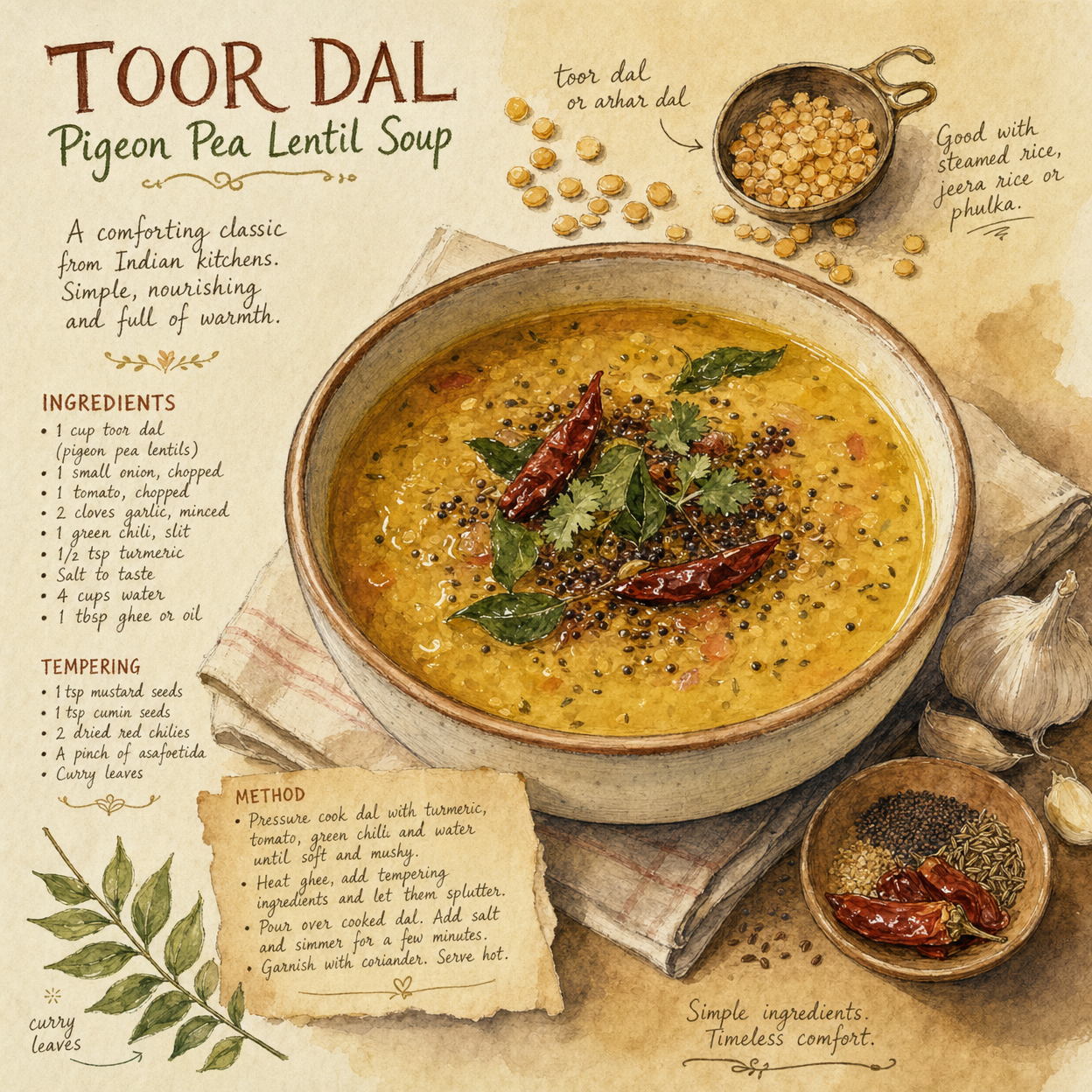
Toor Dal (Indian Lentil Soup): Split, dried pigeon peas simmered until creamy and tempered with cumin, mustard seeds, and garlic.
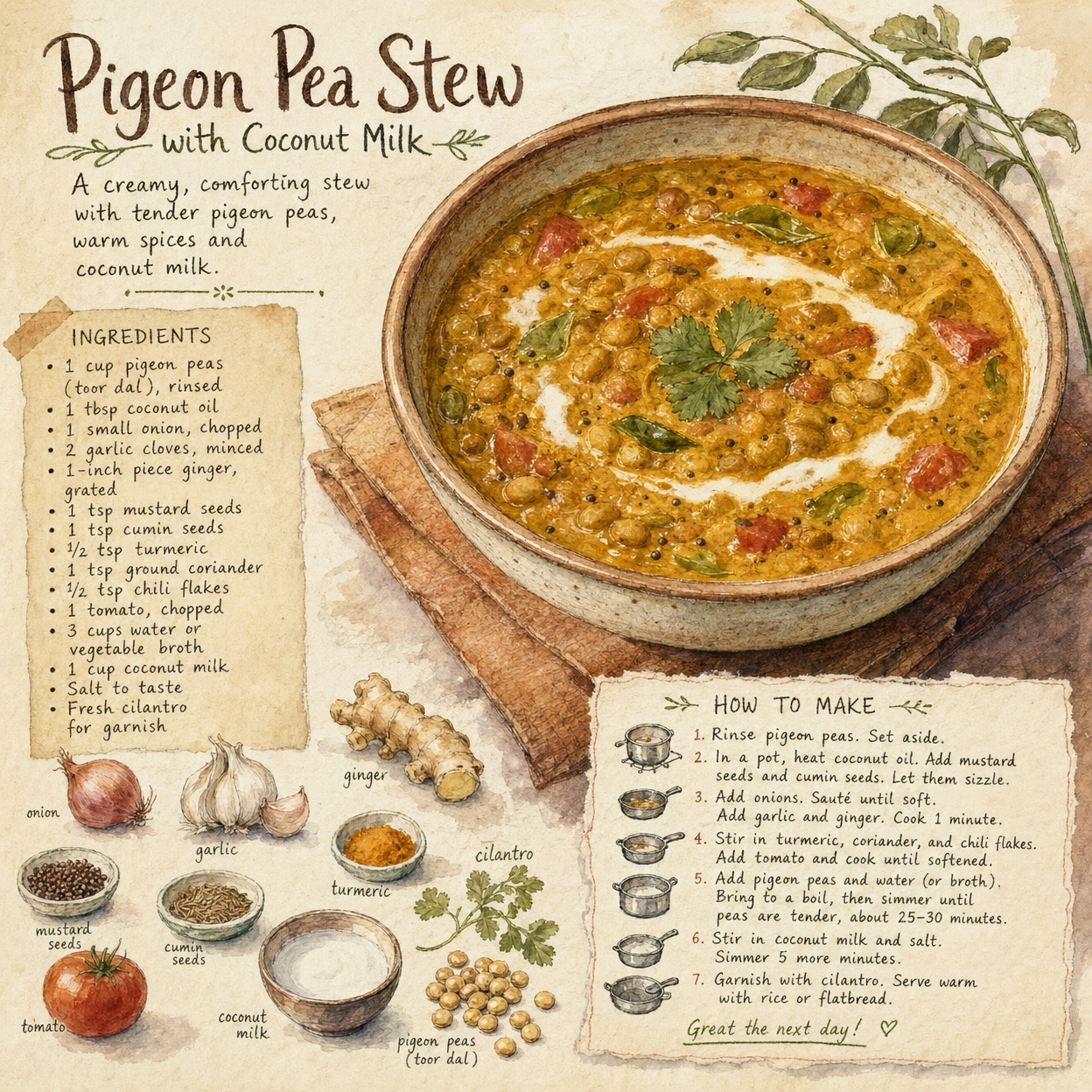
Mbaazi za Nazi (East African Coconut Peas): Pigeon peas stewed in a rich, spiced coconut sauce.