
About this crop
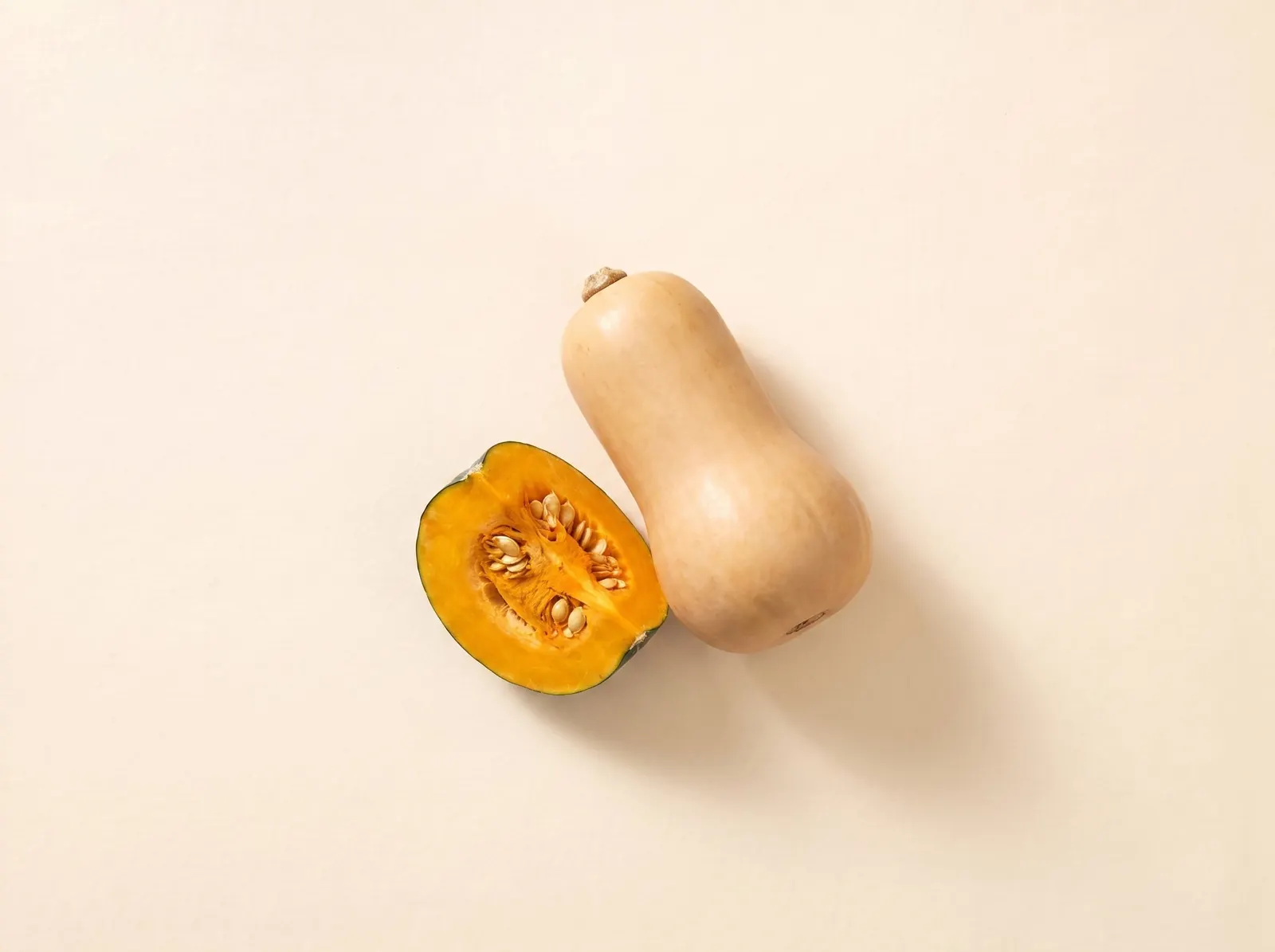
Winter squash encompasses a family of dense, sweet-fleshed gourds with thick, protective rinds that allow them to be stored for months without refrigeration. Varieties like butternut and calabaza feature vibrant orange flesh that becomes incredibly sweet, creamy, and rich when roasted or simmered.
Health information for this food is under review. Reviewed claims will include their sources and limits.
Traditional uses
In the Indigenous traditions of New England, winter squash (askutasquash) is the third of the Three Sisters, its broad leaves shading the soil to retain moisture for the corn and beans. It was traditionally baked whole in the ashes of a fire, providing sweetness through the long, harsh winters.
This same family of squash (often called calabaza) is equally vital in the Caribbean. In Dominican and Puerto Rican kitchens, large chunks of calabaza are dropped into simmering pots of beans or sancocho, where they break down and naturally thicken the broth with their sweet, starchy flesh. In West Africa, related squashes and their seeds (egusi) form the base of complex, savory stews.
This keeper crop connects the ancestral Indigenous agriculture of Rhode Island with the Caribbean kitchens of South Providence and the Italian traditions of Federal Hill (where zucca is stuffed into ravioli). It is a shared symbol of foresight and preservation, a sweet, grounding presence in the depths of winter.
How to prepare
The thick skin of winter squash can be difficult to peel. For varieties like butternut, use a heavy-duty vegetable peeler to strip away the tough outer rind until you reach the bright orange flesh. Cut the squash in half and use a spoon to scrape out the seeds and stringy pulp.
For a simple, deeply flavorful preparation, cut the peeled squash into cubes, toss with olive oil, salt, and a warming spice like cinnamon or chili powder, and roast in a hot oven until the edges are caramelized and the flesh is meltingly tender.
To use squash in a Caribbean stew or a pot of beans, simply peel it, cut it into large chunks, and add it to the simmering liquid. As it cooks, it will begin to dissolve, lending a beautiful golden color, a velvety texture, and a subtle sweetness to the savory broth.
Recipe ideas
Share how you use Winter Squash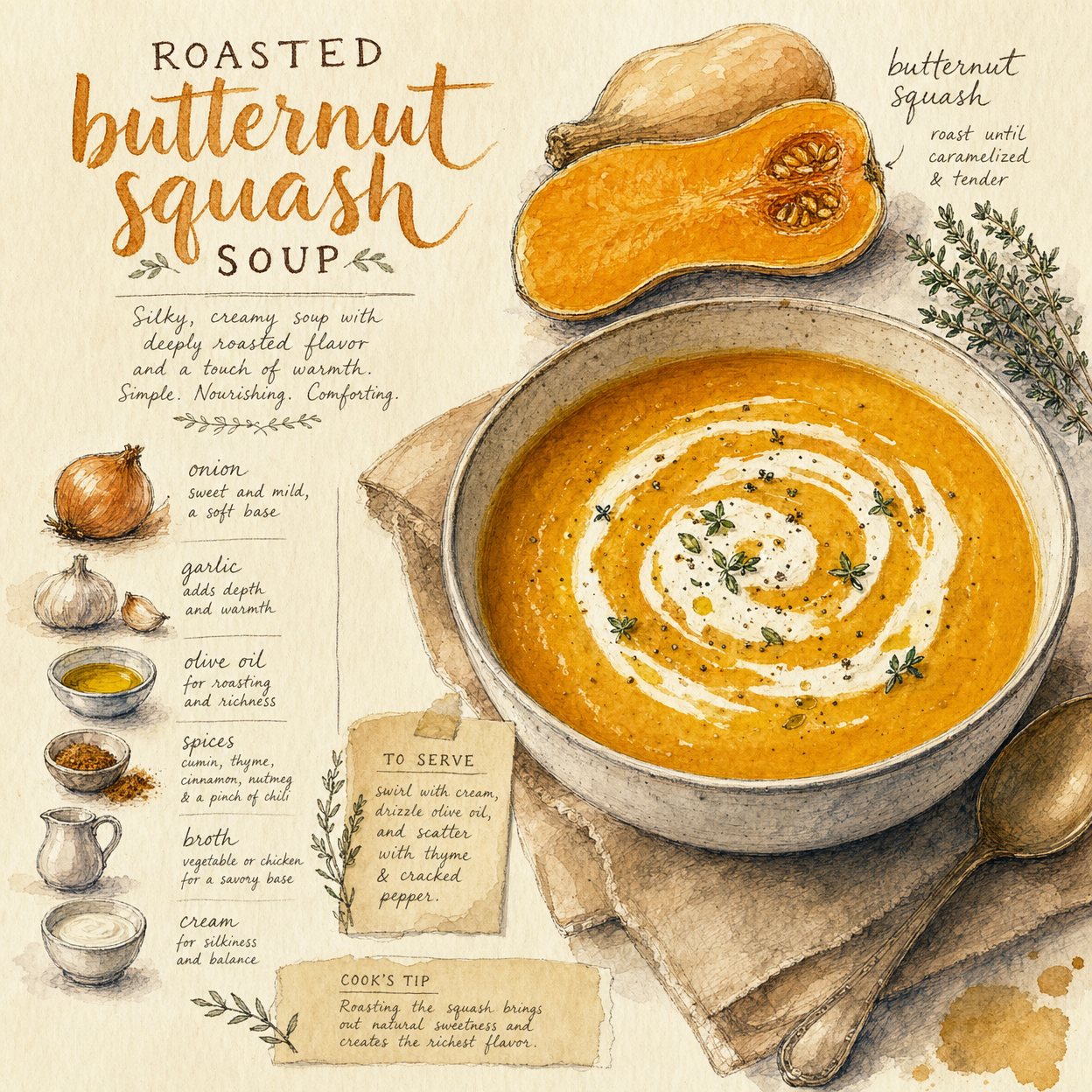
Three Sisters Stew (Indigenous Tradition): A hearty, sustaining stew of flint corn, beans, and chunks of sweet winter squash.
Habichuelas Guisadas (Caribbean Stewed Beans): Pink or red beans slow-cooked in a sofrito base, thickened naturally by chunks of melting calabaza squash.

Roasted Zucca (Italian): Wedges of winter squash roasted with olive oil and sage, sometimes mashed and used as a filling for ravioli.