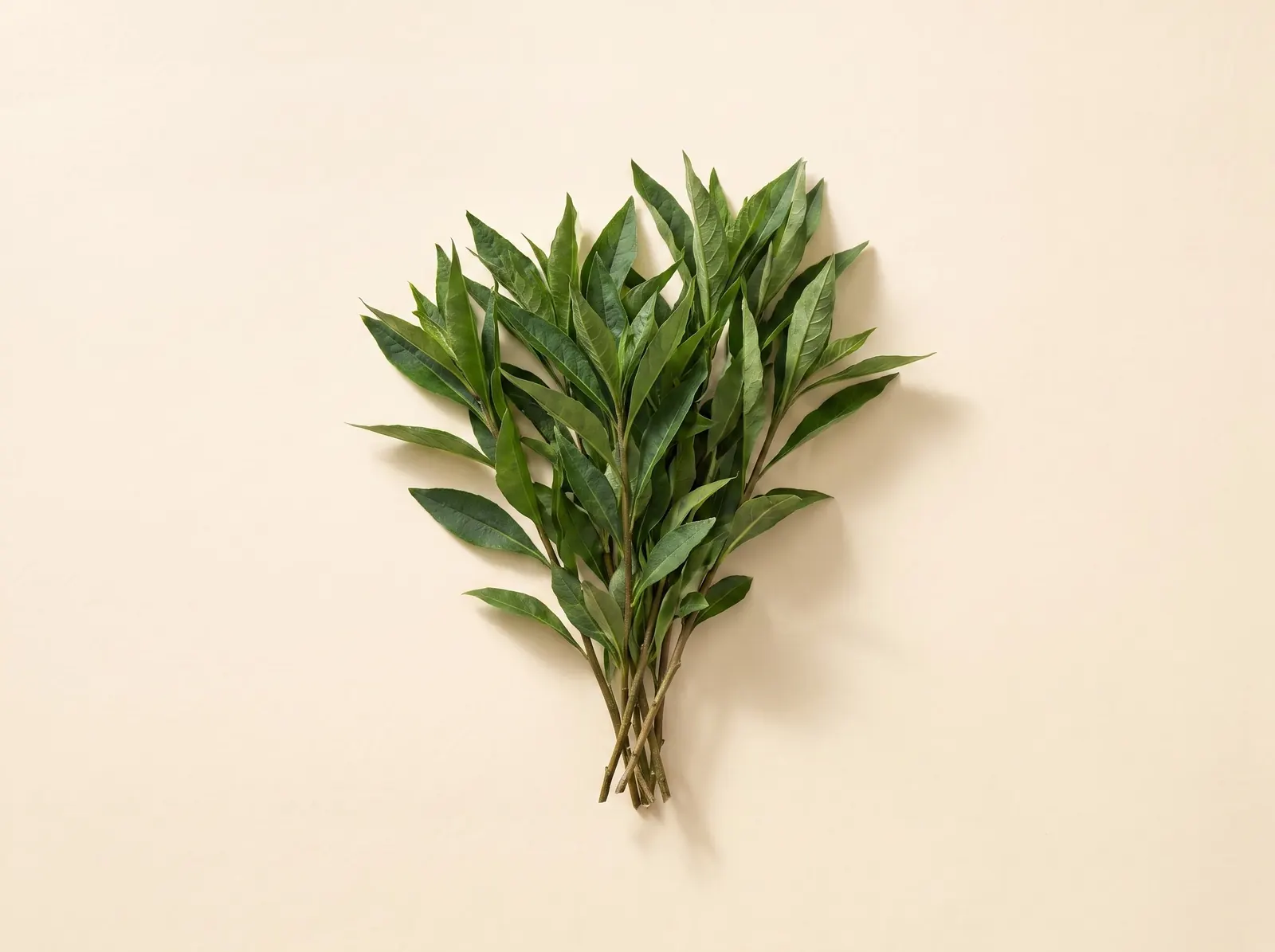
Bitter Leaf
Vernonia amygdalina
Leafy Green
Also known as: Onugbu (Igbo), Ewuro (Yoruba), Shiwaka (Hausa), Ndole (Cameroon/Bassa)
About this crop
Bitter Leaf holds a place of deep respect across African and Caribbean food traditions as a symbol of resilience and continuity. Its distinctive bitterness is more than flavor; it tells a story of transformation, much like the journeys of African diasporic communities. The practice of washing and preparing Bitter Leaf to soften its edge mirrors the process of overcoming hardship and preserving identity. In West and East Africa, families gather around bowls of bitter leaf soup or stews, sharing not only food but stories and culture passed down through generations. In the Caribbean, dishes like Bitawiri keep African heritage alive, blending ancestral knowledge with new world ingredients.
For diaspora communities in urban America, access to Bitter Leaf is a vital thread connecting present lives to ancestral roots. Growing and cooking this green is a powerful act of owning the harvest on our own block and cultural self-determination. It fosters community ties and resists the erasure of heritage by industrial food systems. When families can find Bitter Leaf seeds or fresh leaves, especially mothers seeking to restore ancestral foodways, they reclaim their culinary stories. In this way, Bitter Leaf is not just a plant; it is a living legacy.
Safety
In laboratory studies, water extracts of bitter leaf made human uterine muscle cells contract, and its safety in pregnancy has not been studied in people. If you are pregnant, avoid bitter leaf juices, teas and extracts, and talk with your clinician before eating it often or in large amounts.
Applies to: Pregnant people; covers juices, teas and extracts, with clinician advice for frequent or large culinary use.
Health information for this food is under review. Reviewed claims will include their sources and limits.
Traditional uses
Bitter leaf and sugarcane grow in the same soil, but one chooses to be bitter and the other sweet.
West African: Across West Africa, Bitter Leaf is a culinary and cultural staple embraced by many ethnic groups. In Nigeria, the Igbo prepare Ofe Onugbu, a beloved bitter leaf soup thickened with cocoyam paste and enriched with palm oil and assorted meats, celebrating the leaf's complex flavor after careful washing to tame its bitterness. The Yoruba also use it in vegetable soups like Efo Riro, where the bitterness balances the richness of other ingredients. In Ghana, the Akan people incorporate Bitter Leaf into stews, while the Wolof in Senegal and Gambia use it similarly. Cameroon's national dish, Ndole, pairs washed Bitter Leaf with ground peanuts, meats, and prawns, creating a harmonious blend.
East African: In East Africa, Bitter Leaf holds an important role in both kitchen and clinic. In Rwanda and Burundi, it's a common green in stews. The Democratic Republic of Congo uses it in vegetable dishes. In Kenya and Tanzania, known as Omubirizi, it serves as food.
Caribbean: The Caribbean carries forward the legacy of Bitter Leaf through food traditions shaped by African ancestors. In Suriname and Guyana, it is known as Bitawiri and commonly stir-fried or stewed with onions, garlic, and salted fish, a dish that connects families to their African roots. Though less common in Jamaica, Haiti, and Trinidad, the practice of using bitter greens in teas continues as a cultural thread.
African American: Within African American food traditions, particularly in the Southern United States and among the Gullah Geechee, Bitter Leaf itself may be rare due to climate. However, the tradition of eating bitter greens like collards, mustard, and dandelion is a clear continuation of West African food philosophy. The cooking liquids of these greens (pot likker) are treasured.
How to prepare
Bitawiri Saute: Wash and squeeze bitter leaf, saute with onions, garlic, scotch bonnet, and smoked fish. Ofe Onugbu (Igbo Bitter Leaf Soup): Cook with assorted meats, cocoyam paste, palm oil, ground crayfish, and ogiri. Bitter Leaf Pineapple Smoothie: Blend blanched bitter leaf with pineapple, coconut water, ginger, lime, and honey.
How to use it
Share how you use Bitter LeafGrowing in Rhode Island
- Season
- Warm season annual in RI; start indoors 6-8 weeks before last frost
- Garden suitability
- Yes, in containers or sheltered garden spots; treat as annual
- Companion crops
- Marigolds, basil, garlic, peppers, okra
- Special considerations
- Needs warm soil (70-85°F) for germination. Transplant outdoors only when nighttime temps consistently above 55°F. Consider high tunnels or hoop houses to extend the season.
- Market availability
- Providence farmers markets in late summer and early fall