
Moringa
The Tree of Life
Moringa oleifera
Leafy Green
Also known as: Malunggay (Tagalog), Nebedaye (Wolof), Zogale (Hausa), Mlonge (Swahili), Benzolive (Haitian Creole)
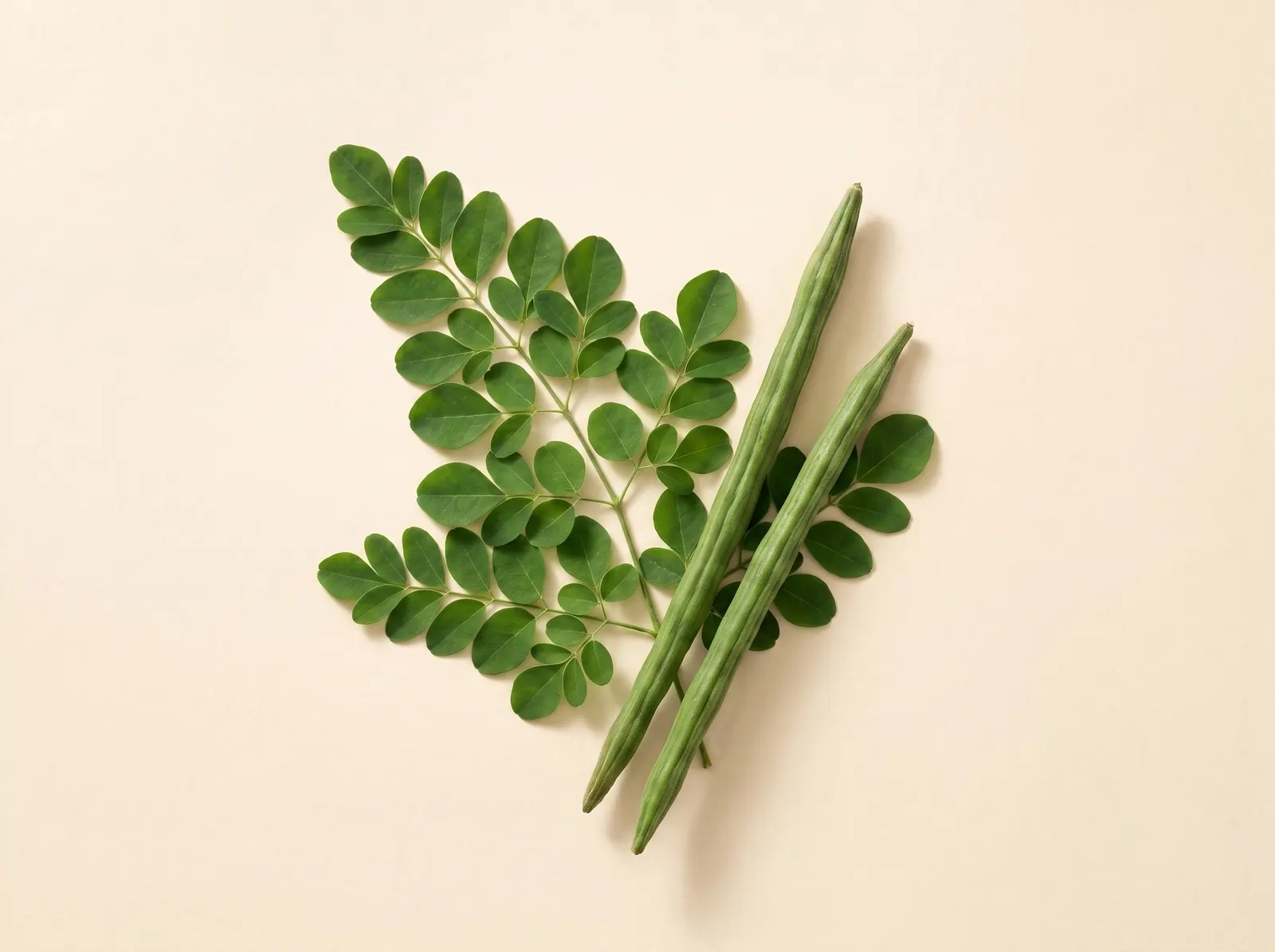
About this crop
Moringa holds a special place in African and Caribbean food traditions as much more than a plant; it is a symbol of life, resilience, and self-determination. Across West Africa, East Africa, and the Caribbean, Moringa has supported families through times of hardship and celebration alike. Its ability to thrive in challenging environments makes it a powerful emblem of owning the harvest on our own block: empowering communities to grow and share their own food, rooted in their land and cultural heritage. For diaspora communities in urban America, where the dishes you grew up with can be hard to find, Moringa offers a vital connection to ancestral knowledge and well-being. Growing and eating Moringa is an act of cultural preservation, a way to honor the wisdom of elders and pass this legacy on to future generations.
In neighborhoods like South Providence, where fresh greens are harder to find than they should be and health disparities persist, Moringa is more than a crop; it is a statement of health equity and food justice. Its cultivation supports local economies and community gardens, creating spaces where culture and nutrition intersect. By reclaiming traditional foods like Moringa, families are also reclaiming their stories and identities. This plant's deep roots in African and Caribbean cuisine remind us that food is a powerful form of resistance.
Health information for this food is under review. Reviewed claims will include their sources and limits.
Traditional uses
Moringa never dies. It only sleeps.
West African: In West Africa, Moringa leaves are woven deeply into the daily diets and cultural practices of many ethnic groups. Among the Yoruba and Igbo of Nigeria, Moringa is often added to rich stews and soups, where its leaves brighten the dish. The Hausa people prepare the beloved Miyan Zogale, a hearty Moringa leaf soup thickened with groundnuts and flavored with fermented locust beans called daddawa. This dish is commonly paired with tuwo shinkafa (rice pudding) or semo (a smooth cornmeal porridge), creating a comforting meal that connects families to centuries of culinary tradition. In Ghana, the Akan also incorporate Moringa into stews.
East African: Moving eastward, communities across Rwanda, Burundi, Congo, Kenya, Tanzania, and Ethiopia also embrace Moringa, particularly the species Moringa stenopetala. In Ethiopia and Kenya, it is known as Haleko or Sheferawu and serves as a vital food source during times when other crops are scarce. Traditional preparations include stews and a salad-like dish called fosesse, which highlights the tender leaves. These practices illustrate how Moringa supports food security and resilience in regions where every meal is a labor of love and survival.
Caribbean: In the Caribbean, Moringa travels with the stories of African ancestors and thrives in island kitchens. Jamaica, Haiti, Trinidad, and Guyana each have their way of honoring this plant. In Jamaica, Moringa is steeped into teas and powders, valued for flavor. In Guyana, the leaves (called Saijan bhajee) are stir-fried or cooked as a vegetable side. Trinidadians also include Moringa in their cooking, recognizing its cultural significance.
African American: African American communities, especially in the Southern US and among the Gullah Geechee people, are rediscovering Moringa as part of a broader movement to reclaim heritage foods. Although historically less documented in these regions, the plant's introduction is embraced as a bridge to ancestral knowledge. It appears in smoothies, teas, and greens.
How to prepare
Moringa Berry Smoothie: Blend berries, banana, almond milk, and 1 tsp moringa powder. Miyan Zogale (Nigerian Hausa Soup): Cook beef with tomatoes, palm oil, daddawa, groundnut powder, and parboiled moringa leaves. Serve with tuwo shinkafa. Moringa Dal: Cook red lentils with turmeric, then temper with mustard seeds, cumin, onion, garlic, ginger, tomatoes, and fresh moringa leaves.
How to use it
Share how you use MoringaGrowing in Rhode Island
- Season
- Annual (tropical), grown as summer crop in RI
- Garden suitability
- Yes, in large containers or ground; bring indoors before frost
- Companion crops
- Grows well in community gardens alongside other warm-season crops
- Special considerations
- Start seeds indoors 6-8 weeks before last frost. Needs warm soil (70-80°F). Cannot survive frost. Regular pruning encourages bushier growth and more leaf production.
- Market availability
- Fresh leaves at Providence-area farmers markets midsummer through early fall