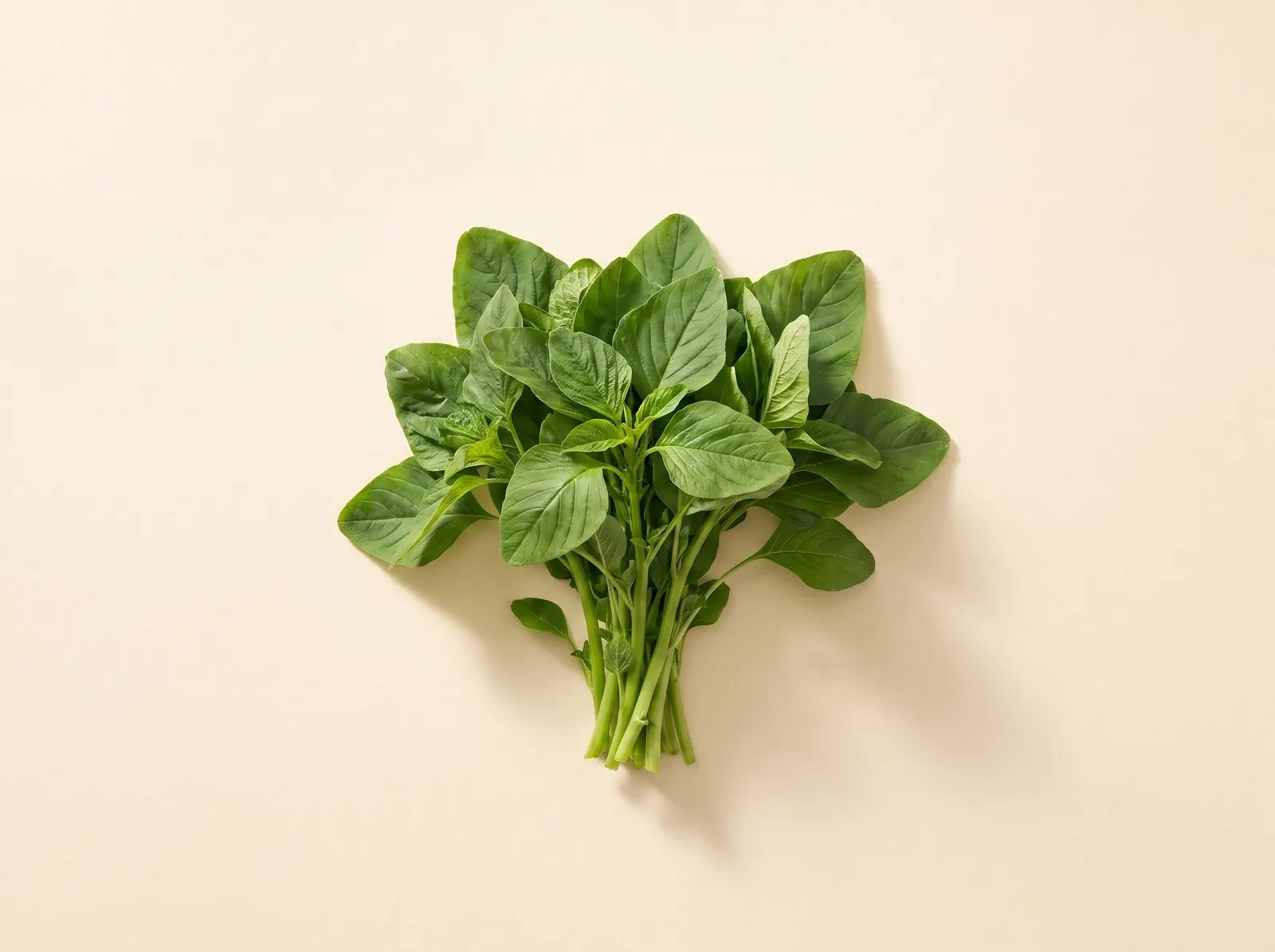
Callaloo
Caribbean Amaranth
Amaranthus viridis
Leafy Green
Also known as: Amaranth, Efo Tete (Yoruba), Mchicha (Swahili), Bhaji (Trinidad), Brede Mafane (Madagascar)
About this crop
Callaloo carries a story that spans continents and centuries, linking African, Caribbean, and African American communities through food and identity. From its roots in West and East Africa to its evolution in the Caribbean as a symbol of cultural resilience, callaloo is more than a leafy green. It represents the journeys of people who carried seeds and traditions across oceans, preserving their heritage through the act of growing, cooking, and sharing this humble vegetable.
In urban America, where the dishes you grew up with can be hard to find, callaloo becomes an important anchor for owning the harvest on our own block - the power of communities to grow and eat foods that reflect their history and values. For mothers in South Providence and beyond, cultivating callaloo in community gardens or finding it at local markets is a way to reclaim ancestral knowledge.
Growing callaloo locally is an act of cultural preservation and self-determination, nurturing not just the body but the spirit of community. It invites us to honor the wisdom passed down by grandmothers and elders, to sustain traditions that have weathered hardship, and to build a future where food is a source of pride and connection.
Health information for this food is under review. Reviewed claims will include their sources and limits.
Traditional uses
Ole ooman a sway fi nyam callaloo, an callaloo a sway fi run har belly.
West African: In West Africa, callaloo - known by names like "Efo Tete" among the Yoruba and "Inine" by the Igbo - is a cherished green that appears in many daily dishes. Countries like Nigeria, Benin, and Sierra Leone rely heavily on amaranth greens. The Yoruba prepare hearty stews such as Efo Riro, where callaloo is cooked alongside meats, fish, and spices. Among the Akan and Wolof communities, callaloo plays a central role in soups and vegetable medleys.
East African: Moving eastward, callaloo (or "mchicha" in Tanzania and "terere" in Kenya) is an everyday green that brings vibrancy to meals across Rwanda, Burundi, Congo, and Ethiopia. East African preparations often involve stewing the leaves with onions, peanuts, and tomatoes to create comforting, tender dishes.
Caribbean: In the Caribbean, callaloo takes on a celebrated cultural role. The amaranth variety is especially prominent in Jamaica and Haiti. Jamaican callaloo is a staple side dish, often sauteed with garlic, onions, and Scotch bonnet peppers. In Trinidad and Guyana, callaloo soup is a beloved Sunday meal and a symbol of national identity. It appears at religious ceremonies and family gatherings.
African American: African American food traditions, especially in the Southern United States and among the Gullah Geechee people, carry on the legacy of leafy greens brought from Africa. While callaloo may not always go by that name, greens like collards, mustard, and turnip greens echo its flavors. Stewed with smoked meats, these dishes represent survival and adaptation.
How to prepare
Jamaican Steamed Callaloo: Saute with onion, garlic, scallions, thyme, and whole scotch bonnet. Trinidadian Callaloo Soup: Rich soup with dasheen leaves, okra, pumpkin, coconut milk, and crab. Callaloo and Chickpea Curry: Saute with onion, garlic, ginger, curry powder, coconut milk, and chickpeas.
How to use it
Share how you use CallalooGrowing in Rhode Island
- Season
- Warm season; start indoors 4-6 weeks before last frost (late April/May)
- Garden suitability
- Yes, fast growth and multiple harvest cycles; great for raised beds and containers
- Companion crops
- Corn, beans, squash (Three Sisters); avoid cabbage family
- Special considerations
- Prefers full sun and well-draining soil (pH 6.0-7.0). High tunnels extend the growing season. Transplant outdoors late May/early June after frost danger passes.
- Market availability
- Providence farmers markets mid-summer through early fall