Collard Greens
A Southern Staple
Brassica oleracea var. viridis
Leafy Green
Also known as: Sukuma Wiki (Swahili), Couve (Portuguese), Chou Caraibe (French)
About this crop
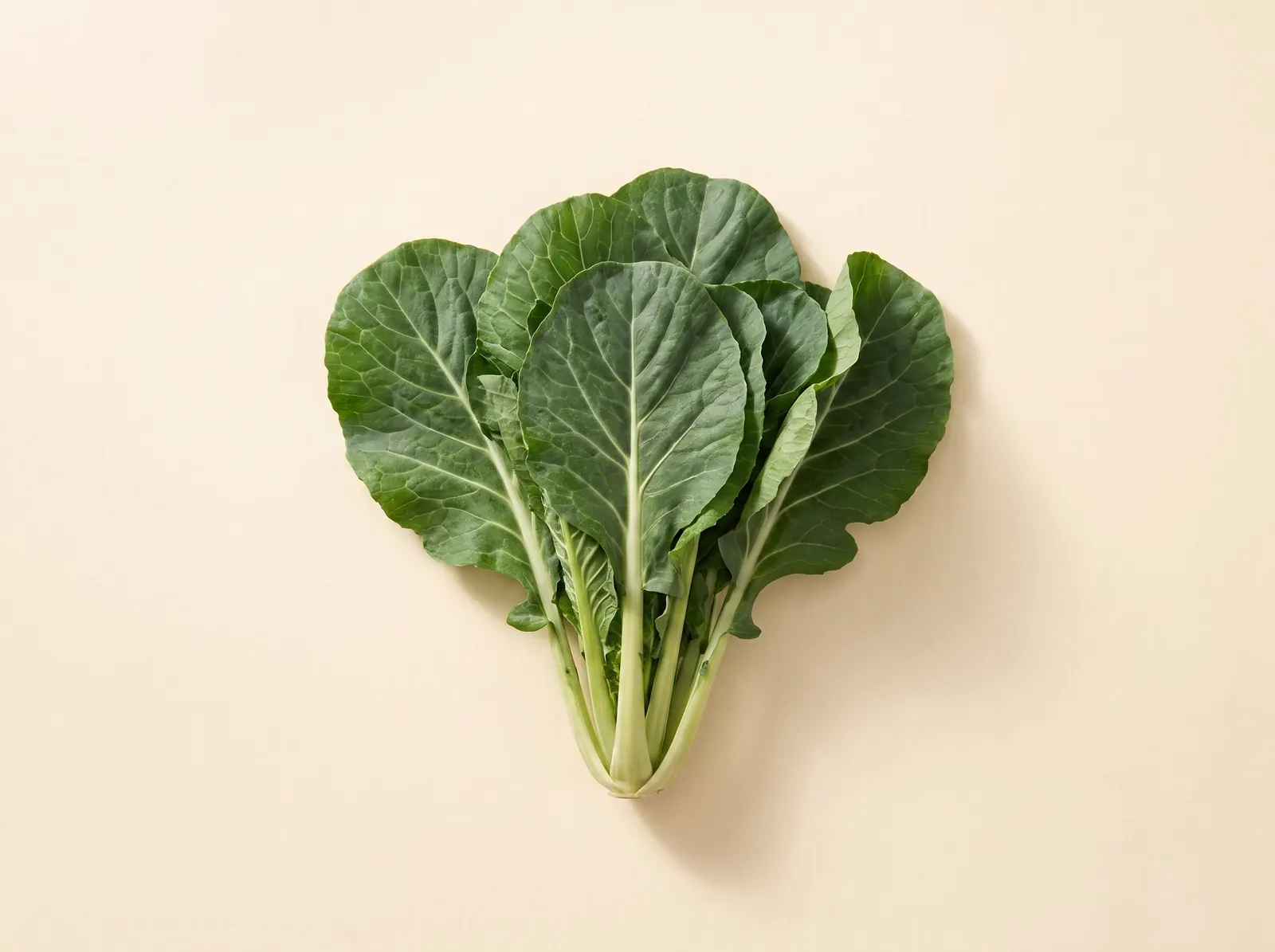
Collard greens carry a profound cultural significance across African and Caribbean food traditions, embodying resilience, identity, and the power of food to connect communities. Originally cultivated in Europe and the Mediterranean, collards were embraced and transformed by West African peoples, whose culinary knowledge traveled across the Atlantic with enslaved Africans. In the American South, collard greens became a survival food when options were limited. This history makes collards a living symbol of resistance and ingenuity, showing how African diaspora communities made something from the land and resources around them.
In Caribbean cultures, collard greens link island kitchens to African roots, blending with Indigenous and colonial influences to create dishes that celebrate heritage and family. It is an act of cultural preservation and self-determination - growing, cooking, and sharing collards affirms identity and reclaims ancestral knowledge disrupted by history.
Owning the harvest on our own block - the ability to grow and control one's own food - is deeply connected to collard greens. Community gardens, farmers markets, and local food programs that include collards empower families with foods that honor their heritage.
Health information for this food is under review. Reviewed claims will include their sources and limits.
Traditional uses
Collard greens are folded money on the plate.
West African: Collard greens hold a special place in many African food traditions. In West Africa, they appear in everyday meals and festive dishes alike. The Igbo people include collard greens in their beloved Egusi stew. Among the Yoruba and Akan peoples, leafy greens like collards are enjoyed simmered with local spices, often alongside fish or meat. In Liberia, collard greens are cooked with spicy peppers, onions, and meats or seafood, served with rice at celebrations.
East African: In Kenya and Tanzania, they are known as "Sukuma Wiki," meaning "to push through the week," a testament to their role in stretching meals when resources are tight. Braised simply with onions, tomatoes, and spices, they accompany ugali and roasted meats. Ethiopian cuisine features "Ye'abasha Gomen," a fragrant dish of collards and kale cooked with garlic and ginger.
Caribbean: In the Caribbean, collard greens have been embraced and adapted across islands and cultures. In Jamaica, collards are often stewed as part of callaloo. Haitian cooks include collards in hearty vegetable stews like Legume and in soups such as Bouyon. In Trinidad and Guyana, collard greens join dasheen bush and okra in Callaloo, simmered with coconut milk.
African American: Within African American food traditions of the Southern United States, collard greens represent resilience and resourcefulness. Slow-cooked for hours with smoked meats, garlic, and onions, they yield tender leaves and a flavorful broth called potlikker, cherished for its richness. The Gullah Geechee people especially honor this tradition. On New Year's Day, they are eaten alongside black-eyed peas to welcome wealth and good fortune.
How to prepare
Quick Sauteed Collard Greens: Cook with garlic, olive oil, broth, and lemon juice. Liberian Fried Collard Greens: Cook with mixed meats, habanero, bouillon, and tomato paste. Caribbean Collard Green and Black Bean Bowl: Saute with coconut milk, serve with rice, black beans, mango salsa, and avocado.
How to use it
Share how you use Collard GreensGrowing in Rhode Island
- Season
- Cool-season crop; best in spring and fall (60-75°F)
- Garden suitability
- Yes, hardy and productive; tolerates light frost
- Companion crops
- Onions, garlic, potatoes, chamomile, dill, marigolds (avoid beans, strawberries, tomatoes)
- Special considerations
- Start seeds indoors 4-6 weeks before last frost. For fall harvest, sow outdoors 6-8 weeks before first frost. Cooler fall weather enhances flavor. Row covers protect from cabbage worms.
- Market availability
- Providence farmers markets June through November