
Scotch Bonnet Pepper
Caribbean Fire
Capsicum chinense
Spice
Also known as: Piment Bouc (Haitian Creole), Ata Rodo (Yoruba), Bonney Pepper (Barbados), Madame Jeanette (Suriname)
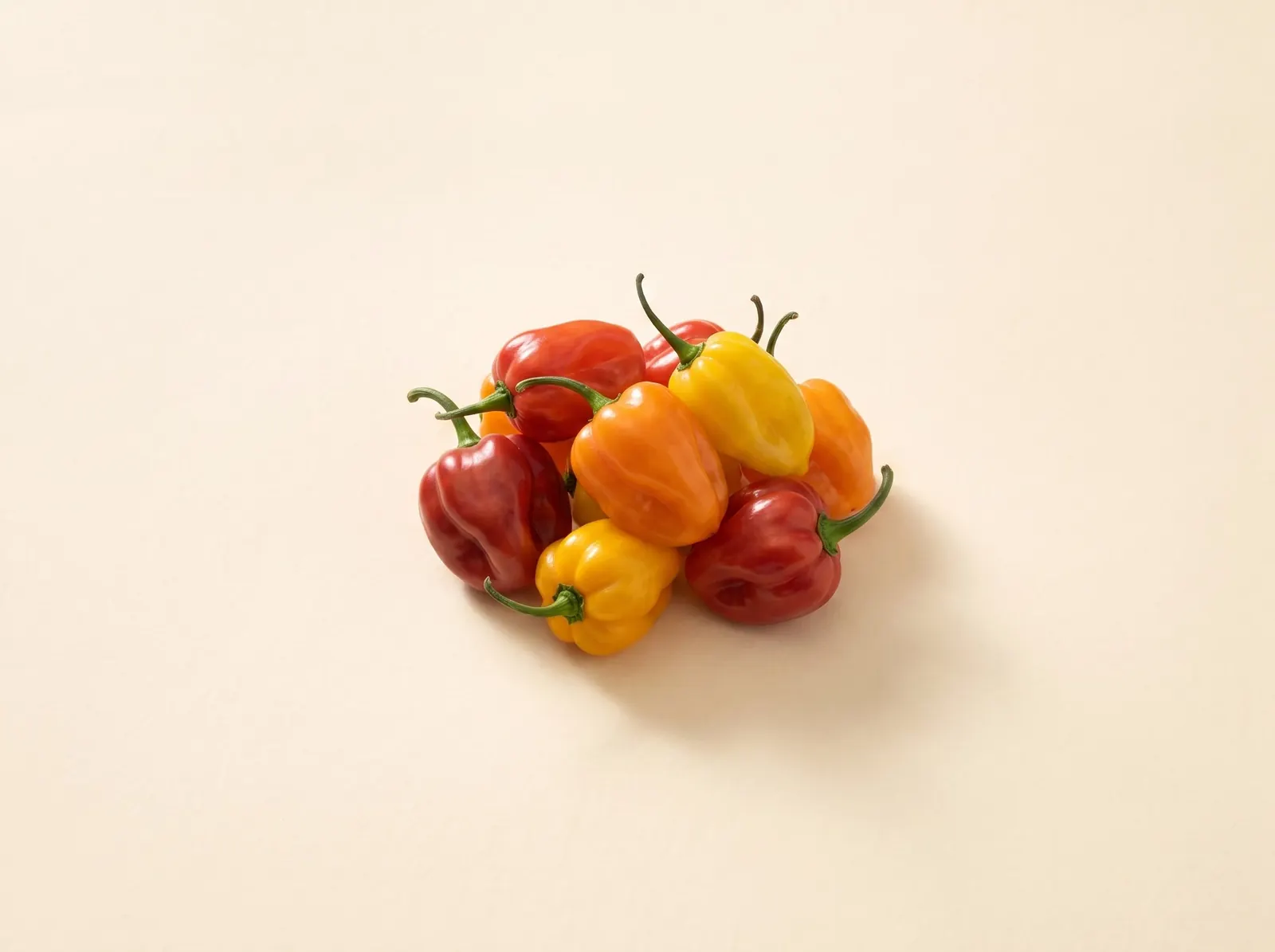
About this crop
The Scotch Bonnet pepper holds a special place in African and Caribbean food traditions, acting as a vibrant thread that weaves together histories of resilience, migration, and cultural pride. In West Africa, it has long been a beloved part of daily cooking among groups like the Yoruba, Igbo, Akan, and Wolof, where its heat and fruity notes enrich stews, sauces, and communal meals. As people from these regions and their descendants made new homes in the Caribbean and beyond, the Scotch Bonnet traveled with them, becoming a culinary emblem of the African diaspora's enduring spirit.
For many Black communities in urban America, including Providence, the presence of Scotch Bonnet peppers is more than just a flavor; it is a connection to ancestral lands and traditions. Growing and cooking with these peppers is an act of owning the harvest on our own block: claiming the right to ancestral food on the blocks where families actually live.
They carry stories of migration, survival, and celebration. When a mother in South Providence cooks with Scotch Bonnets, she is honoring her heritage, teaching her children about their roots, and participating in a larger community that spans continents and generations.
Health information for this food is under review. Reviewed claims will include their sources and limits.
Traditional uses
The pot that wishes to eat pepper will first endure a scalded bottom.
West African: In West Africa, Scotch Bonnet peppers are deeply woven into daily cooking and cultural life. Among the Yoruba, Igbo, and Hausa peoples of Nigeria, this pepper is essential in stews like Jollof rice and spicy roasted goat dishes such as Asun. The Akan people of Ghana use Scotch Bonnets in making Shito, a fiery condiment, and in dishes like Kelewele, spicy fried plantains.
East African: Moving eastward, Scotch Bonnet peppers appear in East African food traditions, although less prominently by name. In Rwanda, they are a key ingredient in Akabanga, a hot chili oil that adds a punch to many meals. Across Burundi, Congo, Kenya, Tanzania, and Ethiopia, chili peppers are widely used in stews and sauces.
Caribbean: The Caribbean is where Scotch Bonnets have become a defining flavor. Jamaica's jerk chicken would not be the same without the pepper's smoky fruitiness and heat. In Haiti, it flavors Pikliz, a spicy pickled vegetable relish. Trinidadian kitchens rely on Scotch Bonnets for curries, stews, and doubles. In Guyana, the pepper enriches pepperpot.
African American: African American communities, especially in the Southern United States and among the Gullah Geechee people of the Lowcountry, have incorporated Scotch Bonnets into their culinary heritage through migration and cultural exchange. These peppers appear in hot sauces, seafood stews, and rice dishes, linking present-day kitchens to ancestral roots.
How to prepare
Scotch Bonnet Infused Oil: Gently simmer sliced peppers with garlic and thyme in neutral oil for 15-20 minutes, strain, refrigerate and use within 4 days (or freeze). Jamaican Jerk Chicken: Blend peppers with scallions, ginger, allspice, thyme, nutmeg, cinnamon, soy sauce, and vinegar into marinade, grill chicken. Scotch Bonnet Mango Salsa: Combine diced mango, red onion, minced pepper, cilantro, and lime.
How to use it
Share how you use Scotch Bonnet PepperGrowing in Rhode Island
- Season
- Start seeds indoors 8-10 weeks before last frost (late Feb/early March)
- Garden suitability
- Yes, in containers or raised beds with rich, well-draining soil
- Companion crops
- Basil, carrots, onions, radishes, marigolds
- Special considerations
- Needs warmth (75-85°F) and plenty of light for seedlings. Transplant outdoors only after soil temps reach 60°F (late May/early June). Row covers or high tunnels extend the season.
- Market availability
- Providence farmers markets mid to late summer through early fall