
Sorrel
The Ruby Flower
Hibiscus sabdariffa
Herb
Also known as: Bissap (Wolof/Senegal), Zobo (Hausa/Nigeria), Flor de Jamaica (Spanish), Karkadeh (Arabic), Roselle (English botanical)
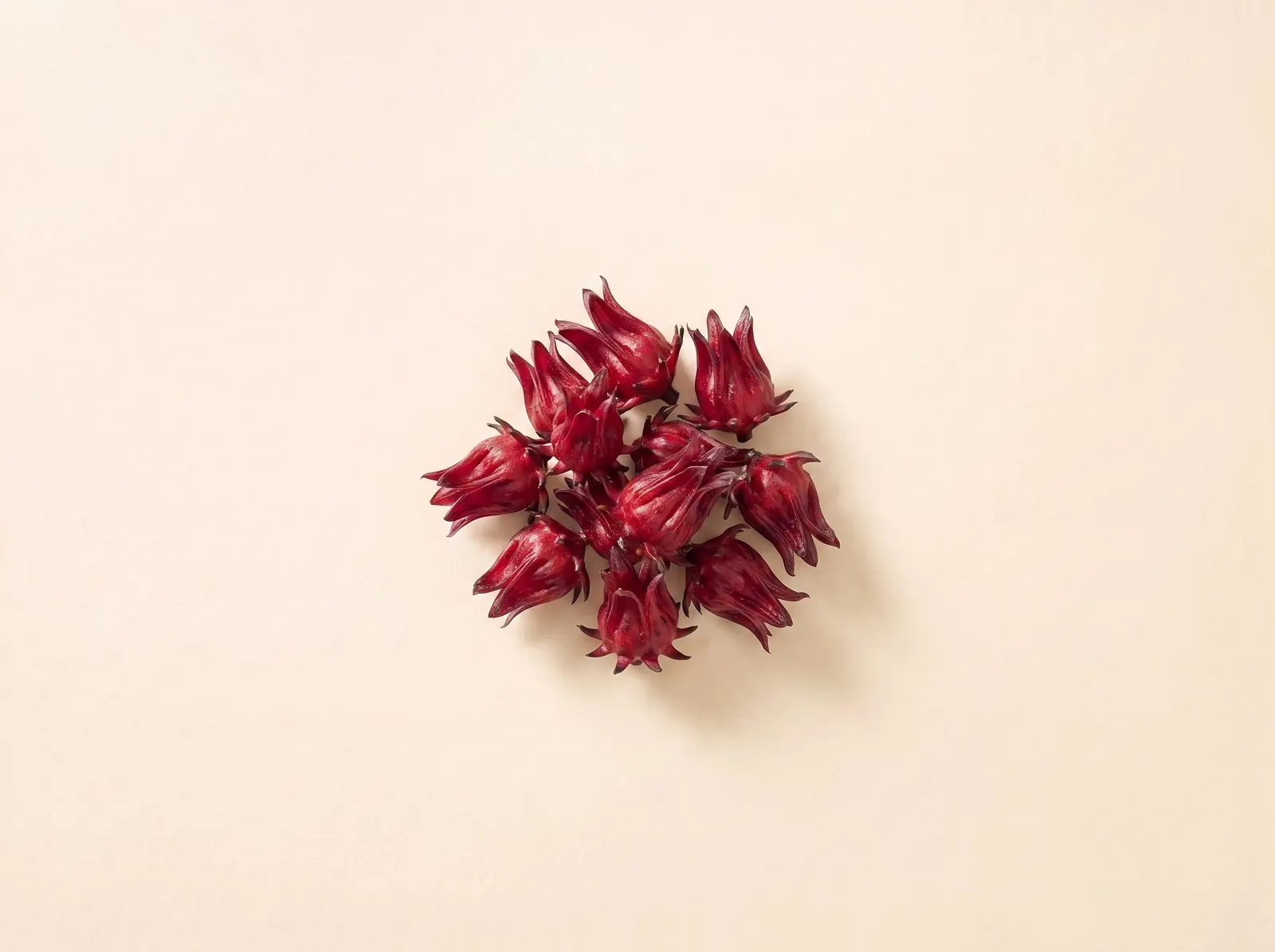
About this crop
Sorrel is more than a flavorful plant; it is a living thread woven through the history and culture of African and Caribbean communities. Its journey from the fields of West Africa, where Yoruba, Igbo, and Akan peoples first brewed its ruby-red calyces into teas, to the bustling kitchens of the Caribbean and the Southern United States speaks to its power as a symbol of resilience and connection. For diasporic families, especially those in cities like Providence, Rhode Island, having access to sorrel is a way to reclaim ancestral foodways and own the harvest on our own block.
Owning the harvest on our own block is the right of communities to grow, harvest, and prepare foods that honor their heritage. Sorrel's ability to thrive in urban gardens and containers makes it a powerful tool for community self-determination. Growing sorrel locally reconnects families to their cultural roots and counters the challenge of neighborhoods where fresh greens are harder to find than they should be. Each cup of sorrel tea or stew made from homegrown leaves is an act of cultural preservation and resistance.
Moreover, sorrel carries the memory of survival - the adaptation of enslaved Africans who transformed limited resources into cherished "red drinks," a symbol of freedom and joy. In sharing sorrel recipes and cultivating the plant, communities continue to celebrate their rich culinary heritage and create spaces where identity and belonging grow alongside the plants.
Health information for this food is under review. Reviewed claims will include their sources and limits.
Traditional uses
A tree is strong because of its roots.
West African: In West Africa, sorrel holds a special place in the kitchens and hearts of many ethnic groups. Among the Yoruba and Igbo of Nigeria, sorrel calyces are steeped with ginger and spices to make Zobo, a cooling drink enjoyed daily and at celebrations. The Akan people of Ghana know it as Sobolo, while in Senegal and The Gambia, the Wolof prepare Bissap similarly. In Sudan, the Karkade drink is a cherished refreshment.
East African: Traveling east, sorrel's leaves take center stage in East African cooking, especially in the Democratic Republic of Congo, where the Ngai Ngai stew blends sorrel leaves with red palm oil, smoked catfish, roasted peanuts, and aromatic herbs. This rich, hearty dish is a symbol of communal meals and cultural identity.
Caribbean: Caribbean food traditions celebrate sorrel most famously as a festive drink, particularly in Jamaica, Haiti, Trinidad, and Guyana. The Jamaican sorrel drink combines the ruby petals with pimento, cloves, ginger, and orange peel, creating a spice-laden beverage steeped and sweetened, sometimes with rum added for holiday cheer. Other islands feature sorrel in pastelles, cremas, jug jug, and pepperpot.
African American: African American foodways in the Southern United States and among the Gullah Geechee people echo the sorrel tradition through the "red drink." Enslaved Africans, limited by the availability of hibiscus, recreated their red drink with local ingredients like sumac and wild berries, keeping the spirit alive during emancipation celebrations and beyond. The return of sorrel by Caribbean immigrants enriched this tradition.
How to prepare
Refreshing Sorrel Iced Tea: Steep dried calyces with ginger, cloves, and cinnamon, sweeten with brown sugar. Congolese Ngai Ngai: Rich stew with sorrel leaves, roasted peanut paste, red palm oil, and smoked catfish. Sorrel and Berry Smoothie Bowl: Blend steeped sorrel liquid with frozen berries and banana.
How to use it
Share how you use SorrelGrowing in Rhode Island
- Season
- Annual; start seeds indoors a month before last frost (late April)
- Garden suitability
- Yes, thrives in containers with tropical potting mix and good drainage
- Companion crops
- Beans, cucumbers, tomatoes, marigolds, basil
- Special considerations
- Tropical plant that benefits from protection during cool nights early in season. Use high tunnels or row covers to extend the growing window. Prefers moist, rich, well-drained soil.
- Market availability
- Fresh leaves and dried calyces at Providence markets late summer through early fall