
Sweet Potato
The Root of Resilience
Ipomoea batatas
Root
Also known as: Patate Douce (French/Haitian Creole), Batata (Spanish/Portuguese), Viazi Tamu (Swahili), Odunkun (Yoruba)
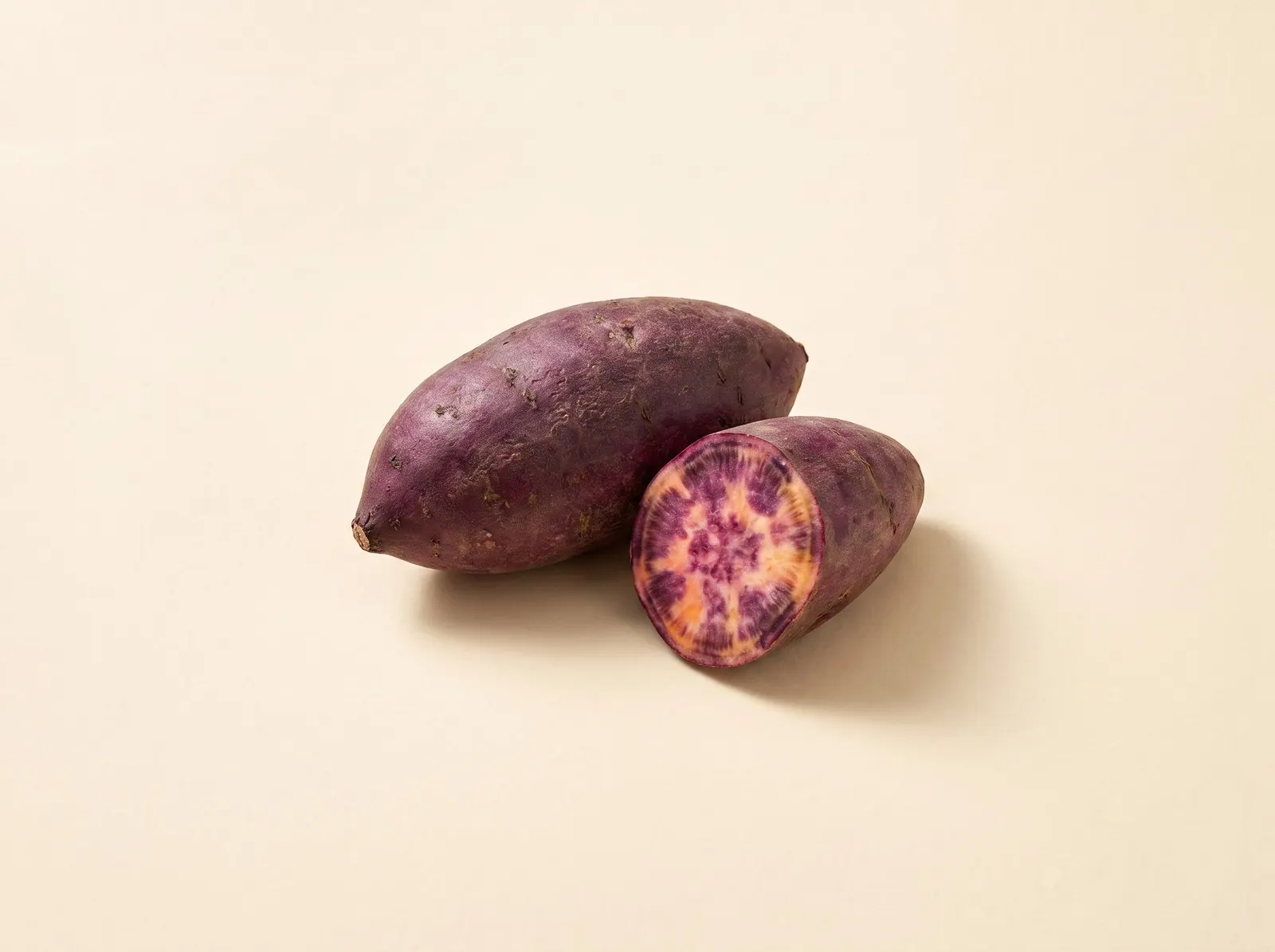
About this crop
Sweet potato holds a powerful place in African and Caribbean food traditions as a symbol of resilience, sustenance, and cultural identity. Its journey - from the Americas back to Africa and then throughout the diaspora - illustrates a story of adaptation and survival. In West and East Africa, sweet potatoes are a backbone of everyday meals and ceremonial dishes. Across the Caribbean, they embody the blending of histories and flavors, reflecting islands' layered cultural roots. In the Southern United States and among Gullah Geechee communities, sweet potatoes connect generations, offering a taste of home and a reminder of ancestral strength.
This root's significance reaches beyond the plate. It is central to owning the harvest on our own block, enabling communities to reclaim power over their food sources, especially in urban America where the dishes you grew up with can be hard to find. Growing sweet potatoes locally, whether in community gardens or backyard plots, becomes an act of cultural preservation and self-determination.
It allows mothers and families to pass down recipes and stories rooted in African, Caribbean, and African American histories.
Health information for this food is under review. Reviewed claims will include their sources and limits.
Traditional uses
We call them yams, rooted in West Africa. But Black Americans have cooked sweet potatoes for most of our soul food history.
West African: Across West Africa, sweet potatoes are woven into the fabric of daily meals and celebrations. Among the Yoruba and Igbo peoples of Nigeria, sweet potatoes are transformed into Sweet Potato Pottage, a savory stew rich with tomatoes, peppers, and sometimes fish or meat. The Yoruba also enjoy fried sweet potatoes called Odunkun as a beloved street snack. In Ghana, the Akan people prepare Etor, a mashed sweet potato dish often served alongside peanut stew.
East African: Moving east, sweet potatoes continue to be a staple in countries like Uganda, Kenya, and Tanzania. Ugandans enjoy Lumonde, boiled sweet potatoes eaten as a simple, satisfying snack or meal. In Kenya and Tanzania, sweet potatoes are often cooked with coconut milk, creating dishes like Nyama Na Irio and Viazi Tamu vya Nazi. Sweet potato flour and porridges also feature prominently.
Caribbean: In the Caribbean, sweet potatoes carry the legacy of African, Indigenous, and European influences. Jamaica's Sweet Potato Pudding, made with spices like allspice and nutmeg, is a cherished dessert at family gatherings. Haiti's fried sweet potatoes offer a popular street treat. Trinidad and Tobago incorporate sweet potatoes into stews, curries, and a beloved sweet potato pone.
African American: Within African American food traditions, especially in the Southern United States and among the Gullah Geechee people, sweet potatoes are a symbol of survival and heritage. Enslaved Africans adapted them as a substitute for yams, creating a foodway that honors ancestral knowledge and sustains community. Sweet Potato Pie and candied sweet potatoes are fixtures at holidays.
How to prepare
Roasted Sweet Potato Wedges: Toss with olive oil, salt, pepper, and smoked paprika, roast at 400F for 20-25 mins. West African Peanut and Sweet Potato Stew (Maafe): Cook with onion, garlic, ginger, diced tomatoes, peanut butter, and greens. Sweet Potato and Black Bean Burgers: Combine mashed sweet potato, black beans, breadcrumbs, cumin, and chili powder into patties.
How to use it
Share how you use Sweet PotatoGrowing in Rhode Island
- Season
- Plant after last frost (late May/early June) when soil reaches 65°F
- Garden suitability
- Yes, raised beds with black plastic mulch to maximize soil warmth
- Companion crops
- Bush beans, corn, peas
- Special considerations
- Start slips indoors in early April. Needs full sun 8-10 hours daily and consistent moisture (not soggy). Consider high tunnels or cold frames to extend season. Harvest before first frost.
- Market availability
- Providence farmers markets late summer and early fall